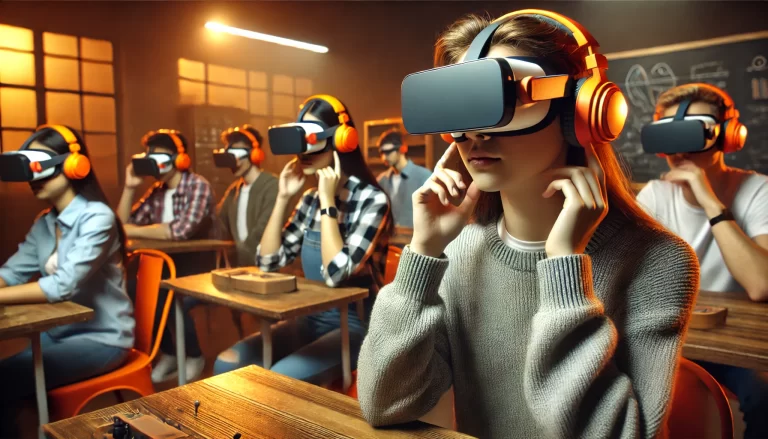
Introduction to Gaming Industry Segments
A Look Inside Gaming Culture
Gaming culture isn’t just about playing video games, it’s about the vibrant and ever-evolving community that surrounds them. It brings together people from all walks of life who connect through a shared passion. Whether it’s game streaming, esports, development, or modding, this culture thrives on creativity, inclusivity, and a blend of digital and real-world experiences. What started as a niche pastime has now become a global phenomenon and a major force in entertainment.
How the Gaming Industry Has Evolved
The gaming industry has come a long way since the early days of arcade classics like Pong. What began as a simple diversion has grown into a massive, multi-billion-dollar global business that includes consoles, PCs, mobile devices, and more. Thanks to continuous innovation like the shift from 2D to 3D graphics, the explosion of online multiplayer games, and breakthroughs in virtual and augmented reality, gaming has become more immersive and accessible than ever.
Here’s a quick journey through the major phases of the industry’s evolution:
- The Arcade Era (1970s–1980s): This was the golden age of arcade machines. Titles like Pac-Man and Space Invaders drew crowds, and names like Atari and SEGA became legends.
- The Console Wars (1990s): The battle for living room dominance heated up as Nintendo, SEGA, Sony, and Microsoft pushed the boundaries of home gaming. This era also gave us many beloved franchises that are still going strong today.
- The Rise of PC Gaming (2000s): As personal computers became more powerful, so did the games. Online multiplayer and expansive game worlds became the norm, sparking massive gaming communities.
- The Mobile Gaming Boom (2010s): Smartphones changed the game literally. Titles like Candy Crush and Pokémon GO brought casual gaming to the masses and made gaming more portable than ever.
- Streaming and Cloud Gaming (2020s): Today, platforms like Twitch and services like Google Stadia are transforming how we access and enjoy games. Streaming and cloud gaming are opening up new possibilities for players everywhere.
Why Knowing the Big Players Matters
Understanding the major players in the gaming world is key for several reasons:
- Market Power: Companies like Sony, Microsoft, and Tencent don’t just follow trends, they create them. Their choices can shift consumer behavior, steer innovation, and redefine what gaming looks like.
- Cultural Influence: Games aren’t just entertainment, they’re cultural touchstones. Titles like The Legend of Zelda or Halo have shaped pop culture, inspired other media, and become household names.
- Economic Impact: Gaming is a serious economic driver. Knowing who’s who in the industry helps unpack investment trends, job creation, and the broader financial landscape.
- Tech Innovation: The companies behind game engines, VR, and cutting-edge graphics are also driving advances in AI, simulation, and even healthcare applications.
- Building Community: Platforms like Steam, Twitch, and Discord are more than just tools, they’re where communities thrive. They enable gamers to connect, share, and create in real time.
Exploring the major companies across the industry helps paint a clearer picture of how gaming has grown into the cultural and economic powerhouse it is today. Whether you’re a player, a developer, an investor, or just curious about the future of digital culture, understanding these key players gives you a front-row seat to one of the most exciting evolutions in modern entertainment.
Console Gaming Companies
Console gaming has shaped the modern entertainment landscape with iconic platforms, genre-defining games, and unforgettable experiences. Let’s take a closer look at the key players driving this space and how they continue to evolve with the times.
Sony Interactive Entertainment (PlayStation)
Sony’s PlayStation brand remains a dominant force in console gaming, known for technical innovation and cinematic single-player experiences.
- PlayStation 5 continues to perform well with its ultra-fast SSD and immersive haptic controller.
- PlayStation VR2 launched with improved specs and deeper integration into the PS5 ecosystem.
- PlayStation 5 Pro is rumored to release in 2024–25, promising better performance for 4K and ray tracing.
- Sony is expanding into live-service games, notably through its acquisition of Bungie.
- Strong exclusives like Spider-Man 2 and The Last of Us series continue to reinforce PlayStation’s reputation for narrative-rich gaming.
Microsoft (Xbox)
Microsoft has redefined its gaming strategy around services, ecosystem, and cloud access, positioning Xbox beyond just hardware.
- Xbox Game Pass remains a game-changer, offering a vast game library for a monthly fee.
- Cloud gaming is now available on mobile devices, browsers, and even smart TVs.
- Activision Blizzard acquisition (completed in 2023) brings Call of Duty, Overwatch, and Diablo under Xbox’s umbrella.
- Microsoft is focusing on cross-platform experiences, bridging PC and console play.
- Continues to expand AI tools and developer support through Azure cloud and Game Stack.
Nintendo (Switch & Beyond)
Nintendo thrives on innovation and nostalgia, offering fun-first gaming with broad generational appeal.
- The Nintendo Switch continues to dominate thanks to its hybrid design and massive game library.
- Flagship franchises remain strong, Tears of the Kingdom and Super Mario Bros. Wonder were major 2023 hits.
- A next-gen Nintendo console is expected by late 2024 or early 2025, generating major anticipation.
- The Super Mario Bros. Movie’s success has kickstarted Nintendo’s move into multimedia.
- Known for accessible and family-friendly design that appeals to both casual and core gamers.
SEGA
SEGA has transitioned from hardware to software, staying relevant through legacy franchises and new strategies.
- Best known for classics like Sonic the Hedgehog, Streets of Rage, and Yakuza/Like a Dragon series.
- Recently announced plans to reboot iconic titles such as Crazy Taxi and Jet Set Radio.
- Now operates mainly as a third-party developer and publisher, focusing on multiplatform game releases.
- Active in both Western and Japanese markets, with a growing emphasis on global publishing.
Atari
A pioneer of the early gaming era, Atari now leans on nostalgia and retro revival to maintain its presence.
- Known for classics like Pong, Asteroids, and the legendary Atari 2600 console.
- Launched Atari VCS, a hybrid retro console with modern streaming features.
- Experimented with blockchain-based gaming and NFTs, targeting niche tech-savvy audiences.
- Focuses on brand licensing and remakes, keeping its legacy alive for retro enthusiasts.
PC Gaming Companies
PC gaming continues to be one of the most diverse and flexible segments of the gaming world. With powerful hardware, endless customization options, and a massive library of genres, PC gaming has fostered a deeply engaged global community. Let’s explore the companies that have helped shape the PC gaming ecosystem into what it is today.
Electronic Arts (EA)
Electronic Arts has been a leading publisher in PC gaming for decades, with a mix of blockbuster franchises and annual sports titles that continue to dominate charts.
- Known for iconic series like The Sims, FIFA, Madden NFL, and Battlefield.
- Helped bring sports and life simulation games into mainstream gaming culture.
- Introduced services like EA Play, providing subscription-based access to its library.
- Often criticized for microtransactions and annualized game releases, yet remains highly profitable and influential.
- Continues to shape game monetization models and player expectations across genres.
Valve Corporation (Steam)
Valve revolutionized PC gaming with Steam, creating a platform that became the central hub for digital game distribution and community engagement.
- Launched Steam in 2003, now the largest digital PC gaming storefront.
- Pioneered community features like user reviews, mods, early access, and social integration.
- Developed beloved games like Half-Life, Portal, Team Fortress 2, and Dota 2.
- Empowered indie developers by providing a global stage for distribution.
- Steam’s seasonal sales and open publishing model have made it a cornerstone of PC gaming culture.
Ubisoft
Ubisoft is known for creating massive open-world experiences that blend exploration, storytelling, and action.
- Famous for hit franchises like Assassin’s Creed, Far Cry, and Tom Clancy’s Rainbow Six.
- Known for its expansive open worlds, often set in richly detailed historical or fictional settings.
- Supports titles long after launch with expansions, live events, and regular updates.
- Invests in proprietary engines and large development teams across the globe.
- Continues to influence the open-world and stealth-action genres through innovative game design.
Blizzard Entertainment
Blizzard built its legacy on creating deeply polished, genre-defining games with loyal, long-lasting communities.
- Created classics like World of Warcraft, StarCraft, Diablo, and Overwatch.
- Pioneered the MMORPG and real-time strategy (RTS) genres on PC.
- Strong emphasis on community engagement through forums, updates, and BlizzCon, its annual fan convention.
- Known for balancing quality storytelling and competitive gameplay.
- Titles often serve as cornerstones in esports and streaming communities.
Activision
Activision remains a blockbuster-driven publisher, known for high-octane gameplay and polished FPS experiences on PC.
- Leads the market with franchises like Call of Duty and Destiny.
- Helped mainstream first-person shooters and competitive online play on PC.
- Known for cinematic campaigns and fast-paced multiplayer.
- Faces criticism for aggressive monetization and annual release cycles, but continues to dominate sales charts.
- Plays a key role in seasonal content delivery and battle pass systems now common across PC titles.
CD Projekt (CD Projekt Red)
CD Projekt Red stands out for its ambitious, story-rich RPGs and a strong connection with its player community.
- Known worldwide for The Witcher series and Cyberpunk 2077.
- Gained critical acclaim for The Witcher 3: Wild Hunt, which set a new bar for open-world RPGs.
- Based in Poland and respected for its narrative depth and immersive world-building.
- Faced backlash for Cyberpunk 2077’s rocky launch, but has since worked extensively on updates and fixes.
- Maintains a community-first approach, with DRM-free releases on its platform GOG.com.
Mobile Gaming Companies
Mobile gaming has become a global force, thanks to the explosive growth of smartphones and tablets. It’s opened up gaming to millions, across all ages and backgrounds and created a thriving space for casual fun, competitive play, and creative innovation. Here’s a look at the leading companies shaping the mobile gaming landscape.
Tencent Games
Tencent dominates the mobile gaming market with an unmatched portfolio and international influence that spans continents and platforms.
- Publishes major titles like Honor of Kings and PUBG Mobile, both global hits.
- A driving force behind mobile esports, especially in the Asia-Pacific region.
- Leverages integration with social media platforms like WeChat for user engagement.
- Owns or holds stakes in international studios such as Supercell, Riot Games, and Epic Games.
- Its strategic investments have positioned Tencent as the top-grossing video game company worldwide.
Supercell
Supercell’s focus on small, agile development teams has led to some of the most polished and successful mobile games to date.
- Known for hit games like Clash of Clans, Clash Royale, and Brawl Stars.
- Follows a “cellular structure,” where independent teams work autonomously on game projects.
- Builds games with easy-to-learn yet deeply strategic gameplay.
- Maintains long-term success through strong community support and live events.
- Backed by Tencent, yet operates independently with a reputation for game quality and innovation.
Zynga
Zynga helped pioneer social and mobile gaming, reaching millions through casual, social-first experiences.
- Rose to prominence with FarmVille, Words With Friends, and CSR Racing.
- Early success came from leveraging Facebook’s gaming ecosystem.
- Specializes in social interaction, turn-based mechanics, and casual formats.
- Despite ups and downs, Zynga remains a player through new game launches and acquisitions.
- Acquired by Take-Two Interactive in 2022, highlighting its continued relevance.
King (Candy Crush Saga)
King’s Candy Crush Saga is one of the most recognizable mobile games of all time, defining the casual gaming category.
- Mastered the freemium model, offering free games with in-app purchases.
- Candy Crush continues to be a top-grossing game years after launch.
- Focuses on accessible gameplay that appeals to players of all ages.
- Operates under Activision Blizzard, giving it broader publishing power.
- Known for clean UI, level-based progression, and addictive puzzle loops.
Glu Mobile
Glu Mobile carved out its niche by mixing pop culture with casual gaming, appealing to lifestyle and entertainment-focused players.
- Popular for titles like Kim Kardashian: Hollywood and Diner DASH Adventures.
- Known for celebrity-branded and narrative-driven mobile games.
- Focuses on immersive storytelling and real-world brand collaborations.
- Attracts a diverse, non-traditional gaming audience, particularly through lifestyle content.
- Acquired by Electronic Arts in 2021, expanding EA’s mobile game footprint.
Niantic (Pokémon GO)
Niantic reimagined mobile gaming with augmented reality, turning city streets into interactive playgrounds.
- Created the global phenomenon Pokémon GO, launched in 2016.
- Pioneered location-based AR gameplay that encouraged outdoor exploration.
- Combined real-world activity, social engagement, and gaming in a unique format.
- Has worked on additional AR projects like Pikmin Bloom and Peridot.
- Continues to innovate in AR gaming and real-world social play experiences.
Digital Game Marketplaces
In the digital age, game marketplaces have become the backbone of how players access, purchase, and interact with games. These platforms not only offer massive libraries, from indie gems to AAA blockbusters, but also shape community engagement, pricing models, and how developers distribute their work. Here’s a look at the most impactful game marketplaces transforming the gaming industry.
Steam (Valve Corporation)
Steam remains the gold standard for PC digital distribution, offering an unmatched ecosystem for gamers and developers alike.
- Launched in 2003 by Valve, originally to support updates for Half-Life 2.
- Hosts thousands of titles, ranging from indie games to major AAA releases.
- Features include user reviews, forums, mod support, and the Steam Workshop.
- Seasonal Steam Sales are major industry events with deep discounts.
- Central to PC gaming culture, with strong community and developer tools.
Epic Games Store
Epic Games Store shook up the digital market by challenging Steam’s dominance with better revenue splits and exclusive deals.
- Launched in 2018, offering developers 88% revenue share (vs. Steam’s 70%).
- Attracted attention through exclusive releases and weekly free games.
- Built on the success of Fortnite and Unreal Engine’s ecosystem.
- Offers a clean interface but lacks deeper community features (e.g., forums, achievements).
- Positioned as a developer-first platform pushing industry competition forward.
GOG (CD Projekt)
GOG (Good Old Games) champions DRM-free gaming and game preservation, offering players full ownership and freedom.
- Operated by CD Projekt, launched in 2008.
- Focuses on DRM-free downloads, ensuring players own what they buy.
- Known for reviving classic games and optimizing them for modern PCs.
- Also features modern indies and integration via the GOG Galaxy launcher.
- Valued by gamers who support consumer rights, fair pricing, and digital preservation.
Humble Store
The Humble Store combines game distribution with philanthropy, letting gamers support causes while building their libraries.
- Founded in 2010, part of the Humble Bundle ecosystem.
- Offers bundle deals and a “pay-what-you-want” model, with proceeds going to charity.
- Hosts the Humble Choice subscription, offering monthly curated games.
- Supports a wide variety of PC titles, often including Steam keys.
- Beloved for combining gaming, generosity, and great value.
Green Man Gaming
Green Man Gaming stands out with deep discounts, global reach, and a customer-first approach to digital retail.
- Founded in 2010, offering discounted game keys for Steam and other platforms.
- Known for frequent promotions, deals, and a rewards program.
- Partnered with major publishers while remaining price-conscious.
- Prioritizes global accessibility and secure key distribution.
- A go-to platform for gamers hunting bargains and pre-release deals.
Itch.io
Itch.io is the creative playground of indie developers, home to experimental, artistic, and offbeat gaming experiences.
- Launched in 2013, with a mission to support independent game creators.
- Embraces a pay-what-you-want model and flexible revenue sharing.
- Hosts game jams, dev logs, and creator-first tools for custom storefronts.
- Strong community support for experimental, niche, and socially conscious titles.
- Ideal for discovering unconventional games and emerging talent.
Game Distributors and Retailers
Game distributors and retailers are central to how players access games, both physically and digitally. As the industry shifts rapidly toward online models, these companies are evolving to meet modern consumption trends.
GameStop
A long-standing name in physical game retail, adapting to digital transitions.
- Founded in 1984, headquartered in the U.S.
- Operates thousands of retail stores globally
- Known for its trade-in program offering credit or cash for used games
- Struggled with the digital shift but is focusing on e-commerce and digital reinvention
Green Man Gaming
A value-driven digital platform focused on PC gamers.
- Launched in 2010, based in the UK
- Offers competitive pricing and frequent game discounts
- Built-in loyalty program and review-based community engagement
- Strong focus on digital keys for Steam and other clients
Humble Bundle
Combines game sales with charitable contributions.
- Founded in 2010 with a pay-what-you-want bundle model
- Supports charities with a portion of every sale
- Offers Humble Store and Humble Choice (monthly subscription)
- Popular among budget gamers and socially conscious buyers
GOG (Good Old Games)
A DRM-free digital distribution platform under CD Projekt.
- Launched in 2008, focused on classic game restoration
- Expanded into modern indie and AAA titles
- Known for strong consumer-friendly policies (DRM-free, refunds)
- Offers GOG Galaxy for unified game library management
Epic Games Store
An aggressive disruptor in the digital marketplace.
- Debuted in 2018 by Epic Games (creator of Fortnite and Unreal Engine)
- Offers developers an 88/12 revenue split
- Attracts users with weekly free games and timed exclusives
- Faces criticism over limited features but pushes industry competition
Amazon
A retail powerhouse with deep gaming ambitions.
- Offers both physical and digital game sales across platforms
- Leverages Amazon Prime for delivery speed and exclusive deals
- Owns Amazon Game Studios and Luna (cloud gaming platform)
- Significant influence on game pricing and availability
Independent Game Studios
Indie studios bring fresh ideas and bold creativity to the gaming world, often breaking conventions and exploring new storytelling and gameplay formats. Despite working with smaller teams and budgets, these studios consistently deliver standout titles that push the boundaries of what games can be. Here’s a look at some of the most influential independent game studios and how they’ve shaped gaming culture.
Mojang Studios (Minecraft)
Mojang redefined what a game could be with Minecraft, giving players a blank canvas and endless possibilities.
- Founded in 2009 by Markus “Notch” Persson, later acquired by Microsoft in 2014.
- Minecraft became a global phenomenon with over 200 million copies sold.
- Features sandbox gameplay, crafting, and procedural world-building.
- Used in education, content creation, and community mods across the globe.
- Continues to thrive with regular updates, spin-offs, and cross-platform support.
Playdead (Limbo, Inside)
Playdead crafts emotionally powerful experiences through minimalist design and haunting atmospheres.
- Founded in 2006 in Denmark; known for artistic, thought-provoking games.
- Limbo (2010) set a benchmark with its black-and-white visuals and eerie tone.
- Inside (2016) pushed narrative design with rich symbolism and dark storytelling.
- Games often explore existential themes and are praised for their subtlety and polish.
- Respected for pushing interactive storytelling and emotional resonance in gaming.
Thatgamecompany (Journey, Sky: Children of the Light)
Thatgamecompany focuses on human connection and emotion through simple, beautiful design.
- Founded in 2006 by Jenova Chen and Kellee Santiago.
- Journey (2012) redefined multiplayer by introducing wordless collaboration.
- Sky: Children of the Light (2019) built on that vision with social exploration mechanics.
- Games emphasize emotion, music, and visual storytelling over combat or dialogue.
- Known for creating peaceful, meditative game experiences that touch players deeply.
Introversion Software (Prison Architect)
Introversion stands out for developing niche, strategy-heavy titles with social and ethical depth.
- Established in 2001 in the UK; early titles include Darwinia and DEFCON.
- Prison Architect (2015) explores prison design, inmate behavior, and ethical choices.
- Blends deep simulation with social commentary, sparking real-world discussions.
- Appeals to players interested in complex systems and moral dilemmas.
- Maintains its indie ethos through focused, thought-provoking game design.
Motion Twin (Dead Cells)
Motion Twin blends polished action and player-first design through a cooperative studio model.
- French studio founded in 2001, operates as a worker cooperative.
- Dead Cells (2018) blends roguelike and Metroidvania elements with slick combat.
- Praised for tight controls, replayability, and ongoing post-launch support.
- Releases are driven by collaborative decision-making and shared profits.
- A model of both gameplay excellence and workplace innovation in indie gaming.
Housemarque (Returnal)
Housemarque is known for delivering adrenaline-fueled gameplay with artistic and technical precision.
- Based in Finland, founded in 1995, and a veteran in arcade-style game design.
- Early hits include Resogun, Nex Machina, and Super Stardust HD.
- Returnal (2021) was a breakout title, blending roguelike structure with psychological storytelling.
- Exclusive to PlayStation 5, showcasing the studio’s technical capabilities and narrative growth.
- Acquired by Sony Interactive Entertainment, signaling its evolution from indie to first-party excellence.
Game Streaming Platforms
Game streaming has revolutionized how players and fans connect, turning gameplay into a real-time entertainment experience. These platforms have become hubs for communities, creators, and esports audiences, blending interaction, monetization, and digital culture. Let’s explore the most influential game streaming platforms shaping this dynamic space.
Twitch Interactive
Twitch is the undisputed leader in game streaming, transforming everyday gamers into celebrities and building a massive global audience.
- Launched in 2011 and acquired by Amazon in 2014.
- Offers real-time streaming with interactive chat, emotes, and custom extensions.
- Hosts a wide range of content, from esports and speedruns to “Just Chatting” and music streams.
- Enables monetization through subscriptions, Bits, ads, and brand partnerships.
- Known for community-driven culture, live events (TwitchCon), and creator support tools.
- Set the standard for streamer-viewer engagement in gaming.
YouTube Gaming
YouTube Gaming blends the power of video-on-demand with live game streaming, giving creators a versatile way to grow audiences and monetize content.
- Originally launched in 2015 as a standalone platform; now integrated into YouTube.
- Popular for gameplay walkthroughs, reviews, tutorials, and live streams.
- Strong on video archiving and long-form content, unlike other live-only platforms.
- Offers monetization through ads, Super Chat, memberships, and Shorts.
- Favored by creators who want to mix streaming and evergreen content for long-term growth.
Facebook Gaming
Facebook Gaming taps into the world’s largest social network, helping streamers grow communities through existing friend groups and interest-based reach.
- Launched in 2018 and integrated into the main Facebook ecosystem.
- Provides streamers with tools via the Level Up Program for monetization and growth.
- Streamers benefit from easy discoverability through Facebook Groups, Pages, and shares.
- Supports features like Stars (tips), Fan Subscriptions, and in-stream ads.
- A great option for creators looking to leverage social connections to build a following.
DLive
DLive takes a decentralized approach, giving creators more control and revenue through blockchain-based rewards.
- Founded in 2017, built on blockchain and cryptocurrency (LINO token).
- Promotes a creator-first model by minimizing platform fees.
- Streamers earn via crypto donations, viewer engagement, and virtual rewards.
- Smaller than major platforms but known for its tight-knit, indie-friendly community.
- Appeals to creators seeking alternative monetization and independence from mainstream platforms.
Caffeine
Caffeine offers a clean, real-time streaming experience with low latency and a strong focus on social interactivity.
- Launched in 2018, targeting casual and entertainment-first creators.
- Prioritizes low-latency streams with simple UI and minimal distractions.
- Focuses on real-time viewer interaction for a more intimate experience.
- Has partnered with mainstream entertainment brands and music events to expand reach.
- Geared toward users looking for a laid-back, community-centric streaming vibe.
Esports Organizations
Esports has exploded into a global entertainment powerhouse, attracting millions of fans, high-stakes tournaments, and major brand sponsorships. Central to this rise are professional esports organizations, teams that not only compete at the highest level but also shape gaming culture, build communities, and merge competitive play with entertainment and lifestyle.
Cloud9
Cloud9 is one of the most respected names in global esports, known for its championship pedigree and commitment to player well-being.
- Competes in major titles like League of Legends, CS:GO, Valorant, and more.
- Known for strong player development, consistent performance, and high-level coaching staff.
- Actively promotes mental health awareness and player support programs.
- Has built a loyal fanbase through content creation, streaming, and social media.
- Engages in strategic brand partnerships and influencer marketing.
Team Liquid
With roots in a StarCraft community, Team Liquid has grown into one of the most successful multi-title esports franchises in the world.
- Competes in games like Dota 2, League of Legends, CS:GO, and StarCraft II.
- Won The International 2017 (Dota 2), one of esports’ most prestigious tournaments.
- Known for professionalism, training infrastructure, and tactical innovation.
- Runs TLGG (Team Liquid Game Guide) and content studios, producing documentaries, vlogs, and esports education.
- Deep commitment to fan interaction via YouTube, Twitch, and behind-the-scenes media.
FaZe Clan
FaZe Clan blends competitive esports with influencer culture and lifestyle branding, becoming a global entertainment icon.
- Gained initial fame in Call of Duty, now fields teams in Valorant, CS:GO, Fortnite, and more.
- Known for a roster of gamer-influencers, not just pro players.
- Operates like a media brand, with vlogs, collabs, and high-profile sponsorships.
- Strong presence in fashion, streetwear, and pop culture.
- Massive youth following and one of the most socially influential brands in gaming.
Astralis
Astralis redefined professional standards in esports, especially through its dominance in the Counter-Strike: Global Offensive scene.
- Multiple-time winners of CS:GO Major Championships.
- Recognized for a methodical, data-driven approach to gameplay and preparation.
- Prioritizes mental performance, physical training, and long-term sustainability for players.
- Expanded into titles like FIFA and League of Legends.
- Became the first publicly listed esports team in Europe, reflecting its business maturity.
G2 Esports
Known for skill, swagger, and humor, G2 Esports is one of Europe’s most prominent esports organizations.
- Competes in League of Legends, Rainbow Six Siege, Rocket League, and more.
- Dominant in European League of Legends (LEC) with strong international showings.
- Founded by former pro player Carlos “ocelote” Rodríguez with a bold, edgy brand.
- Recognized for witty social media, viral content, and fan-first marketing.
- Balances elite competition with entertainment appeal, building a strong global fanbase.
100 Thieves
100 Thieves combines competitive gaming, entertainment, and streetwear fashion into a trendsetting esports lifestyle brand.
- Fields teams in League of Legends, Valorant, Fortnite, and others.
- Founded by ex-CoD pro Matthew “Nadeshot” Haag with backing from celebrities and athletes.
- Launched a successful apparel line, turning team drops into limited-edition fashion events.
- Focuses on premium content production, vlogs, and creator collaborations.
- Bridges gaming, culture, and lifestyle, redefining what an esports org can be.
Gaming Community and Social Platforms
These platforms serve as the heart of gaming interaction, bringing players together, powering discussions, enabling collaboration, and shaping vibrant gaming subcultures.
Discord
The go-to platform for real-time gaming communication and community building.
- Launched in 2015
- Offers text, voice, video, screen sharing, and streaming
- Customizable servers with roles, bots, and integrations
- Widely used by indie devs, esports teams, and game fandoms
Reddit (Gaming Subreddits)
A massive hub of gaming forums and fan-driven discussions.
- Subreddits like r/gaming, r/games, r/pcgaming
- Community-led content, memes, debates, and reviews
- Upvote system promotes relevant/high-quality posts
- Hosts AMAs, game jam events, and developer Q&As
Game Jolt
A community platform for indie game lovers and developers.
- Founded in 2008
- Hosts thousands of creative indie games
- Supports game jams and monetization for devs
- Strong focus on feedback, collaboration, and experimentation
Amino Apps (Gaming Communities)
Mobile-first communities built around specific games or interests.
- Each “Amino” is its own themed mini-community
- Features include polls, quizzes, blogs, and live chats
- Popular among younger, mobile-first gamers
- Encourages creative content sharing and roleplay
FANDOM (Gaming Wikis)
The ultimate fan-powered game encyclopedia network.
- Formerly known as Wikia
- Covers thousands of games with lore, guides, and stats
- Maintained by passionate communities
- Enables deep exploration and collaborative knowledge
Overwolf
Enhances gaming with in-game apps, overlays, and analytics.
- Launched in 2010
- Supports apps for real-time stats, guides, and team tools
- Popular with titles like LoL, Fortnite, WoW
- Empowers developers to build and monetize game add-ons
In-Game Advertising Agencies
In-game advertising has become an essential part of modern gaming, offering brands a unique way to connect with audiences without interrupting gameplay. These ads blend naturally into virtual environments, on billboards, jerseys, or signs, making them immersive, effective, and non-disruptive. Let’s take a look at the top in-game advertising agencies leading the charge in this evolving space.
Anzu.io
Anzu.io is a leader in immersive in-game ads, offering brands a non-intrusive way to reach players within realistic 3D environments.
- Founded in 2017, with a focus on 3D in-game placements such as billboards and stadium signage.
- Prioritizes seamless ad integration that enhances realism without breaking immersion.
- Partners with major studios across PC, console, mobile, and VR platforms.
- Emphasizes brand safety, viewability, and industry compliance standards.
- Recognized for bridging the gap between real-world marketing and digital entertainment.
Bidstack
Bidstack delivers native in-game advertising by embedding dynamic ads directly into game environments, naturally and contextually.
- Founded in 2015, offering support for banner, video, and programmatic ads.
- Specializes in scalable, programmatic delivery of real-time in-game campaigns.
- Works across genres like sports, racing, and open-world games.
- Maintains contextual relevance, helping brands reach gamers in an authentic way.
- A preferred partner for studios seeking non-intrusive monetization strategies.
Adverty
Adverty blends ads into immersive 3D and VR game worlds, offering next-level in-game marketing with patented visibility tracking.
- Established in 2016, focused on contextual 3D placements and VR integration.
- Features in-world billboards, menu screen takeovers, and virtual storefronts.
- Patented tech tracks viewability and ad exposure in real time.
- Supports programmatic buying and real-time performance data.
- Prioritizes player immersion and ad quality in all formats.
Frameplay
Frameplay delivers high-performance, real-time in-game ads that adapt to gameplay environments for natural, high-impact placement.
- Launched in 2018, focused on dynamic scene-based ad rendering.
- Places ads on in-game objects like walls, scoreboards, and digital signage.
- Offers detailed engagement metrics and customization options for developers.
- Trusted by partners for balancing game integrity with monetization.
- Ideal for developers who want control, flexibility, and a player-first experience.
Ad2games
Ad2games blends in-game branding with performance marketing, helping publishers scale their user base through data-driven campaigns.
- Founded in 2011, specialized in user acquisition for PC and online games.
- Uses targeted media buying and optimization to drive ROI for publishers.
- Focuses on campaign performance, player retention, and engagement analytics.
- Supports global campaigns for large-scale game launches and long-term growth.
- A reliable partner for studios looking to grow their community and brand reach.
Motive Interactive
Motive Interactive is a veteran mobile ad network offering game-specific monetization through rewarded and native mobile ad formats.
- Established in 2003, focused on mobile gaming performance marketing.
- Offers ad formats like rewarded video, interstitials, and native ads.
- Uses AI and data analytics to drive conversion and enhance player engagement.
- Strong emphasis on value exchange advertising, benefiting both players and brands.
- Ideal for mobile developers seeking high engagement and scalable revenue.
Cloud Gaming Services
Cloud gaming is redefining how games are played, removing the need for high-end hardware by streaming games over the internet. With just a screen and a strong connection, players can enjoy AAA titles on everything from smartphones to low-spec laptops. As technology improves and infrastructure expands, several companies are leading this shift. Let’s explore the top platforms shaping the future of cloud-based gaming.
Google Stadia
Google Stadia aimed to bring console-quality gaming to any screen, with no downloads or hardware beyond a controller and an internet connection.
- Launched in 2019 as one of the first major cloud gaming platforms.
- Streams games up to 4K at 60 FPS across smartphones, laptops, and TVs.
- Offers individual game purchases and a Stadia Pro subscription for monthly free games.
- Faced early adoption challenges but highlighted the importance of infrastructure and content.
- Helped shape the early discussion around latency, accessibility, and user experience in cloud gaming.
Microsoft xCloud (Xbox Cloud Gaming)
xCloud, now part of Xbox Game Pass Ultimate, brings Microsoft’s console library to the cloud, allowing play anywhere, anytime.
- Officially launched in 2020, tightly integrated with Xbox Game Pass.
- Supports hundreds of Xbox titles on mobile, tablets, and PCs, no console required.
- Built on Microsoft’s Azure cloud network, offering strong performance and reliability.
- Enables cross-save and cross-play with console and PC versions.
- A key player in making cloud and console ecosystems seamless.
NVIDIA GeForce NOW
GeForce NOW empowers players to stream the games they already own with high-end graphics, without buying them again.
- Launched in 2020, after an extended beta phase.
- Connects with stores like Steam, Epic, Uplay, and GOG.
- Offers ray tracing and DLSS support through RTX-enabled sessions.
- Free tier available; priority subscriptions unlock longer play sessions and premium performance.
- Ideal for players who want to stream their existing libraries with powerful visuals.
PlayStation Now (now part of PlayStation Plus Premium)
Sony’s cloud platform extends the legacy of its iconic console titles to the cloud, with a focus on exclusive content.
- Originally launched in 2014, merged into PlayStation Plus Premium in 2022.
- Offers streaming access to PS2, PS3, and PS4 titles on PlayStation consoles and PC.
- Supports both streaming and downloading of select games.
- Features first-party exclusives from franchises like Uncharted, God of War, and The Last of Us.
- Appeals to fans of PlayStation’s legacy content and ecosystem.
Shadow
Shadow offers a full cloud-based Windows PC, not just a game library, giving users total control of what they install and play.
- Launched in 2015, focused on providing virtual Windows desktops.
- Users get a complete high-performance PC in the cloud.
- Supports any platform like Steam, GOG, Epic Games, and other applications beyond gaming.
- Ideal for gamers who want flexibility, full system control, and multi-use computing.
- Sets itself apart by offering a PC-as-a-service model vs. a game streaming catalog.
Vortex
Vortex provides an affordable and accessible introduction to cloud gaming, targeting casual users on budget-friendly devices.
- Launched in 2017, designed for low-end PCs, Android tablets, and smartphones.
- Uses a subscription model with access to a curated selection of popular games.
- Prioritizes simplicity and ease of access, with no need for downloads or installation.
- Offers lower-spec performance, but excels in user-friendliness and affordability.
- Great for newcomers or casual gamers exploring cloud gaming for the first time.
Virtual Reality (VR) Companies
Virtual reality is transforming how we experience games, offering deep immersion, physical interaction, and entirely new ways to play. With the rise of standalone headsets, high-fidelity visuals, and cross-platform integration, several companies are leading the charge. Here’s a look at the VR pioneers shaping the future of gaming and beyond.
Oculus VR (Meta Platforms, Inc.)
Oculus (now under Meta) helped take VR mainstream by delivering powerful, affordable, and user-friendly headsets.
- Founded in 2012, acquired by Facebook (Meta) in 2014.
- Introduced the world to mainstream VR with the Oculus Rift (2016).
- Popularized standalone VR with the Oculus Quest and Quest 2, no PC or sensors required.
- Known for a broad library of games including Beat Saber, Superhot VR, and The Walking Dead: Saints & Sinners.
- Integral to Meta’s long-term metaverse and XR ambitions, with a growing ecosystem for social, fitness, and creative apps.
HTC Vive
HTC Vive offers premium, room-scale VR systems known for precision, performance, and enterprise flexibility.
- Launched in 2016 in partnership with Valve.
- Pioneered room-scale tracking with motion controllers and base stations.
- Hardware options include Vive Pro, Vive Cosmos, and Vive XR Elite, catering to both gamers and professionals.
- Preferred for VR arcades, simulation, and design applications due to accuracy and visual quality.
- Plays a dual role with its Viveport platform and hardware innovation in both gaming and industrial sectors.
Sony PlayStation VR
Sony made VR gaming accessible to console users by integrating it seamlessly with the PlayStation ecosystem.
- Released PlayStation VR (PSVR) in 2016 for PS4, expanding to PS5 compatibility.
- Offers exclusive titles like Astro Bot: Rescue Mission, Resident Evil 7, and Iron Man VR.
- PSVR2, designed for PlayStation 5, introduces features like adaptive triggers, eye tracking, and haptic feedback.
- Known for high-quality content and streamlined integration with console gaming.
- A leading force in console-based immersive gaming.
Varjo
Varjo targets enterprise and industrial applications with ultra-high-fidelity VR and mixed reality headsets.
- Based in Finland and focused on “human-eye resolution” visuals.
- Serves industries like aviation training, automotive design, and medical simulation.
- Combines VR and XR (extended reality) technologies for professional-grade immersion.
- Prioritizes precision, realism, and lifelike interaction not gaming-focused but influential in VR advancement.
- Showcases what’s possible when VR pushes past entertainment into mission-critical industries.
Pimax
Pimax caters to hardcore VR enthusiasts with industry-leading resolution and field-of-view innovations.
- Known for Pimax 5K, 8K, and 12K series headsets offering ultra-wide FOV and high refresh rates.
- Appeals to tech-savvy users who demand maximum immersion and visual performance.
- Focuses on PC VR, often used in flight sims, racing sims, and mod-heavy games.
- Offers modular upgrades and an open platform for advanced users.
- A niche but bold player pushing VR hardware beyond mainstream limitations.
Viveport (by HTC)
Viveport is HTC’s digital hub for discovering and streaming VR content across platforms.
- Launched in 2016, offering a VR-specific content store and subscription service.
- Viveport Infinity allows unlimited access to hundreds of games and apps for a monthly fee.
- Supports a wide variety of headsets, not limited to HTC devices.
- Designed to make VR content affordable, discoverable, and creator-friendly.
- Plays a critical role in expanding the VR ecosystem beyond hardware sales.
Augmented Reality (AR) Gaming Companies
Augmented reality is reshaping how games are played, merging digital content with the real world to create experiences that are interactive, location-aware, and socially engaging. Several companies are leading the charge in making AR gaming more accessible, immersive, and imaginative. Let’s explore the innovators driving this cutting-edge frontier.
Niantic (Pokémon GO, Ingress)
Niantic is the global leader in location-based AR gaming, bringing the outdoors into the gaming experience through real-world exploration.
- Founded in 2010 as a Google startup; gained fame with Pokémon GO in 2016.
- Pokémon GO combines GPS, camera, and AR overlays to create an interactive mobile game downloaded over 1 billion times.
- Earlier title Ingress introduced the core mechanics of location-based multiplayer gameplay.
- Expanded into new titles like Harry Potter: Wizards Unite and Pikmin Bloom.
- Continues to innovate with its Lightship AR developer platform for building real-world AR apps.
Augmented Reality Labs (Blippar)
Blippar is making AR creation accessible with no-code tools, supporting games, marketing, and educational experiences.
- Founded in 2011, based in the UK; initially focused on branded AR experiences.
- Offers Blippbuilder, a drag-and-drop tool to create AR content without coding.
- Works across smartphones, tablets, and AR glasses.
- Used in interactive games, learning modules, and virtual scavenger hunts.
- Aims to democratize AR creation and lower the technical barrier for developers and businesses.
Magic Leap
Magic Leap blends AR and mixed reality with high-end hardware designed to merge digital content into physical environments.
- Founded in 2010, known for its Magic Leap One and Magic Leap 2 headsets.
- Uses advanced sensors and spatial mapping to enable real-world interaction with digital content.
- Initially focused on gaming (e.g., Dr. Grordbort’s Invaders), now pivoting to enterprise applications.
- Showcases the potential of high-end mixed reality for gaming, training, and simulation.
- Continues to push the limits of immersive visual fidelity and spatial computing.
8th Wall
8th Wall is pioneering web-based AR, enabling anyone to experience AR games right from their smartphone browser, no apps required.
- Founded in 2016, with a focus on WebAR technology.
- Lets developers create app-free AR games accessible via mobile browsers.
- Used in interactive games, brand activations, and real-time multiplayer AR experiences.
- Eliminates download barriers, making AR instantly accessible and widely scalable.
- Now part of Niantic, expanding its toolkit for global AR creators.
Zappar
Zappar empowers developers with intuitive tools to build cross-platform AR games and experiences for mass audiences.
- Founded in 2011 in the UK, offering an all-in-one AR toolkit called ZapWorks.
- Enables creation of AR games, educational tools, and branded experiences.
- Known for a user-friendly interface, supporting mobile, desktop, and smart glasses.
- Focuses on low-code development and accessibility for creatives and businesses alike.
- Actively supports AR education, marketing, and social engagement use cases.
Tilt Five
Tilt Five is reimagining tabletop gaming by projecting interactive holograms onto game boards using a dedicated AR system.
- Founded in 2017, focused on tabletop AR gaming.
- Uses a unique system combining AR glasses, game board, and wand controller.
- Projects real-time 3D holograms of characters, effects, and environments onto the table.
- Supports solo and multiplayer experiences, both local and online.
- Bridges the gap between digital gaming and physical board games for a new kind of social play.
NFT and Blockchain Gaming Companies
Blockchain is changing how games are played, owned, and monetized. These companies are redefining gaming with NFTs, play-to-earn models, and decentralized economies.
Dapper Labs (CryptoKitties, NBA Top Shot)
Pioneers of NFT-based gaming experiences.
- Founded in 2018
- Launched CryptoKitties, one of the first NFT games
- Creator of NBA Top Shot, a licensed NFT collectibles platform
- Built the Flow blockchain for high-performance, scalable NFT apps
Enjin
Powering blockchain game assets with tools for developers.
- Founded in 2009
- Offers Enjin Wallet, Enjin Marketplace, and Enjin Coin (ENJ)
- Focuses on NFT integration and true digital ownership
- Supports cross-game asset use and trading
Animoca Brands
Leading blockchain publisher with high-profile partnerships.
- Based in Hong Kong, founded in 2014
- Known for The Sandbox and F1 Delta Time
- Uses NFTs and crypto to enable player ownership
- Strong IP partnerships with brands and franchises
Gala Games
Building a player-first, decentralized gaming ecosystem.
- Founded in 2019
- Offers games like Town Star and Mirandus
- Uses native token GALA for in-game transactions
- Focused on player governance and in-game economies
Sky Mavis (Axie Infinity)
Popularized play-to-earn with massive global adoption.
- Based in Vietnam, launched Axie Infinity
- Players own Axie NFTs and earn tokens (AXS, SLP)
- Built Ronin, a custom sidechain for scalability
- Played a major role in blockchain gaming’s growth in emerging markets
Immutable (Gods Unchained)
Creators of a secure, gas-free NFT trading card game.
- Based in Australia
- Known for Gods Unchained, a blockchain TCG
- Built Immutable X, a Layer-2 solution on Ethereum
- Emphasizes player ownership and eco-friendly blockchain scaling
Game Development Tools & Engines
Behind every great game is a powerful engine or toolset that helps bring ideas to life. These platforms have not only streamlined game creation but also empowered indie developers, educators, and AAA studios to push creative boundaries. Let’s dive into the most influential game engines shaping today’s gaming landscape.
Unity Technologies (Unity Engine)
Unity is one of the most widely used game engines in the world, known for its flexibility, accessibility, and cross-platform support.
- Ideal for creating 2D, 3D, VR, and AR games across mobile, PC, and consoles.
- Famous for its “build once, deploy everywhere” capability.
- Frequently chosen by indie developers for its low barrier to entry and vast asset store.
- Used in hit games like Monument Valley, Hollow Knight, and Among Us.
- Offers robust real-time development tools, visual scripting, and cloud collaboration options.
Epic Games (Unreal Engine)
Unreal Engine is synonymous with cutting-edge visuals and AAA-level performance, making it a favorite for blockbuster titles.
- Known for photorealistic rendering, real-time ray tracing, and cinematic-quality visuals.
- Powering major games like Fortnite, Gears of War, and Final Fantasy VII Remake.
- Unreal Engine 5 introduces Nanite (virtualized geometry) and Lumen (global illumination), setting a new benchmark in graphical fidelity.
- Offers the Blueprint visual scripting system, making complex logic accessible without coding.
- Free to use with royalty-based licensing for commercial projects.
Crytek (CryEngine)
CryEngine is known for its breathtaking visuals and realism, first capturing attention with Far Cry and Crysis.
- Excels in dynamic lighting, real-time shadows, and large-scale open-world environments.
- Used in visually demanding titles like Crysis and Ryse: Son of Rome.
- Strong in first-person shooter and simulation genres where graphical realism is crucial.
- Provides tools for AI, animation, and physics, especially valuable for immersive environments.
- While niche compared to Unity/Unreal, it remains a top choice for studios focused on visual fidelity.
Godot Engine
Godot is a free, open-source game engine that’s grown rapidly in popularity among indie devs for its lightweight yet powerful toolset.
- Ideal for both 2D and 3D game development, with a strong emphasis on clean architecture.
- Fully open-source under the MIT license, no royalties, fees, or usage restrictions.
- Features a flexible node-based scene system and its own scripting language (GDScript).
- Supported by a thriving community of developers and contributors.
- Used in games like Deponia and Kingdoms of the Dump, with growing traction in indie circles.
Cocos2d
Cocos2d is a go-to framework for building 2D mobile games, offering speed and simplicity with solid performance.
- Designed for lightweight 2D mobile game development, especially on iOS and Android.
- Known for its low memory usage, quick rendering, and accessible API.
- Backed by a large developer community and plugin ecosystem.
- Used in popular titles like Badland and Clash of Kings.
- Excellent for casual game developers, hobbyists, and mobile-focused studios.
AppGameKit
AppGameKit is beginner-friendly yet versatile, ideal for learning environments, prototypes, and simple multi-platform games.
- Supports both 2D and 3D development with a single codebase across iOS, Android, and Windows.
- Prioritizes ease of use with BASIC-style scripting and drag-and-drop tools.
- Often used in schools and game development courses to teach programming basics.
- Offers a cost-effective entry point for hobbyists or educators looking to build and publish simple games.
- Enables quick iteration and testing for rapid game prototyping.
Game Testing & QA Companies
These companies ensure games are polished, bug-free, and meet platform standards, handling everything from functionality to compliance and localization testing.
Testronic Laboratories
One of the earliest and most established QA providers in gaming.
- Founded in 1998
- Specializes in functionality, compatibility, and certification testing
- Operates across the US, UK, and Poland
- Known for adapting to mobile and cloud gaming trends
- Trusted by top publishers for release-ready quality assurance
VMC (Volt Media Consultants)
A division of Keywords Studios offering end-to-end testing services.
- Founded in 1999
- Focuses on functional, compliance, and localization testing
- Supports PC, console, and mobile platforms
- Global facilities enable large-scale and complex QA
- Assists from prototype testing to post-launch support
GlobalStep
Provides scalable and platform-agnostic QA solutions for top-tier titles.
- Founded in 2007
- Offers functional, compliance, and localization testing
- Global presence in North America, Europe, and Asia
- Works with major AAA publishers and developers
- Known for precision, scalability, and quality control
Pole To Win (PTW)
Veteran in outsourced QA and customer support for game studios worldwide.
- Founded in 1994
- Offers QA, localization, and player support services
- Operates in 10+ countries with 24/7 testing support
- Supports live-service game testing
- Proven experience across generations of gaming platforms
Quantic Lab
Flexible testing partner serving both AAA and indie studios.
- Founded in 2006 (Romania-based)
- Provides compatibility, UX, compliance, and security testing
- Known for user experience focus and focus group analysis
- Invests in automation tools and testing innovation
- Offers end-to-end QA with multilingual support
Keywords Studios
Industry giant offering full-spectrum services across the game dev pipeline.
- Founded in 1998
- Specializes in QA, localization, and technical art
- Covers functionality, compliance, and localization QA
- Operates a global network of studios
- Scalable, customizable testing pipelines for any project size
Game Localization and Translation Services
Localization is essential in transforming games into global experiences, going far beyond translation to ensure cultural nuance, narrative integrity, and player immersion across regions. These companies help developers deliver meaningful, engaging gameplay in every language, expanding reach and deepening impact worldwide. Here’s a look at the top localization leaders powering global gaming.
Keywords Studios
Keywords Studios is a localization powerhouse trusted by top-tier developers to deliver global-quality experiences in over 50 languages.
- Founded in 1998, with studios spanning Europe, North America, and Asia.
- Offers full-service localization: translation, voice-over, testing, and cultural adaptation.
- Partners with major studios like Ubisoft, EA, and Activision Blizzard.
- Known for scalability, handling both indie and AAA titles with precision.
- A go-to choice for developers aiming for global launches and multilingual support.
Lionbridge
Lionbridge combines linguistic expertise and smart technology to support large-scale, culturally relevant localization projects.
- Established in 1996, with global operations across multiple industries.
- Services include translation, transcreation, cultural consulting, and QA testing.
- Uses advanced platforms for automation, version control, and project tracking.
- Maintains focus on cultural nuance, ensuring content resonates regionally.
- Preferred by developers needing complex, enterprise-grade localization.
Altagram
Altagram offers boutique-style game localization with a hands-on, detail-oriented approach tailored to each title.
- Founded in 2013, with offices in Berlin, Seoul, and Montreal.
- Specializes in game-specific localization, voice-overs, and linguistic testing.
- Known for preserving tone, humor, and cultural context in translated content.
- Works closely with clients from indie creators to global publishers.
- Respected for its personalized service and industry-savvy teams.
SDL (Now part of RWS)
SDL (now RWS) merges decades of localization experience with cutting-edge language technology.
- Over 25 years of expertise in gaming localization.
- Offers translation, transcreation, QA, and multimedia services.
- Integrates AI-assisted tools with professional linguists for speed and accuracy.
- Trusted for handling large-scale multilingual projects under tight timelines.
- A key player for developers needing efficient, high-volume localization.
All Correct
All Correct specializes in Eastern European localization while supporting global languages, offering deep regional expertise.
- Founded in 2008, headquartered in Russia, with global client support.
- Known for localizing games into Russian, Polish, Ukrainian, and more.
- Provides voice-over, cultural consulting, and LQA alongside translation.
- Trusted by studios looking to expand into Eastern European markets.
- Delivers localization that reflects local gamer expectations and cultural values.
Moravia (Part of RWS Group)
Moravia blends cultural fluency with localization precision, helping AAA titles resonate in every market.
- Global presence with deep roots in localization strategy.
- Offers end-to-end services: translation, cultural consulting, linguistic QA, and transcreation.
- Focuses on preserving the tone, humor, and narrative intent of games.
- Uses expert linguists with in-region experience and genre familiarity.
- A top-tier provider for culturally rich, globally aligned game releases.
Game Soundtrack and Audio Services
Sound is a vital part of what makes games immersive, from sweeping orchestral scores to subtle sound cues that guide gameplay. Behind every epic soundtrack and perfectly timed effect are specialists in game audio who craft these experiences with creativity, precision, and cutting-edge technology. Here’s a look at the leading companies and contributors shaping the world of video game audio.
Sumthing Else Music Works
Founded by music legend Nile Rodgers, Sumthing Else helped bring video game soundtracks into the mainstream spotlight.
- Established in 1997, focusing on video game soundtrack production and distribution.
- Released iconic soundtracks from titles like Halo, Fable, and Mass Effect.
- Played a key role in promoting video game music as a standalone art form.
- Enabled fans to experience game soundtracks outside of gameplay through albums and licensed music.
- Helped elevate the public appreciation and commercial viability of game music.
Materia Collective
Materia Collective has become a hub for game music fans and artists, reimagining classics and producing original scores with passion.
- Founded in 2015, specializing in game music publishing, remix albums, and original scores.
- Known for projects like Materia: Final Fantasy VII Remixed and Resonance of the Pure Lands.
- Releases reinterpretations of beloved game music in genres like orchestral, jazz, and rock.
- Works with indie developers to provide custom soundtracks and audio production.
- Acts as a creative platform for composers and remix artists in the game audio community.
Hexany Audio
Hexany Audio delivers high-impact, cinematic audio for games and immersive media through expert sound design and music production.
- Founded in 2012, based in Los Angeles, with a focus on games, VR, and interactive media.
- Worked on high-profile titles like League of Legends, Call of Duty: Mobile, and Marvel’s Avengers.
- Offers full-service audio: original music, SFX, voiceover, and interactive audio systems.
- Known for crafting tailored, emotionally rich soundscapes aligned with narrative goals.
- Collaborates closely with developers to deliver memorable, immersive audio experiences.
Hans Zimmer
World-renowned composer Hans Zimmer brought cinematic depth to gaming with his distinctive orchestral style.
- Contributed scores to games like Call of Duty: Modern Warfare 2 and Crysis 2.
- Blends orchestral arrangements with electronic elements, enhancing dramatic impact.
- Helped elevate game music to the level of blockbuster film scores.
- His involvement signaled mainstream recognition of game music as a serious art form.
- Influenced a generation of game composers through cross-media inspiration.
Improbable Music
Improbable Music pushes boundaries in interactive audio by creating soundtracks that evolve with gameplay in real time.
- Established in 2015, focused on adaptive, procedural, and generative music systems.
- Designs audio that responds to in-game actions, environments, and player choices.
- Specializes in real-time music evolution, enhancing immersion and personalization.
- Uses cutting-edge audio middleware and AI-driven tools for dynamic scoring.
- Ideal for developers seeking next-gen, reactive audio experiences.
EastWest Sounds
EastWest is a go-to source for composers and sound designers seeking high-quality virtual instruments and sample libraries.
- Founded in 1988, a pioneer in digital instrument sampling and orchestral libraries.
- Offers industry staples like the Hollywood Orchestra series and ComposerCloud.
- Provides ethnic, cinematic, and modern sound libraries used across games and film.
- Essential toolset for AAA studios, indie composers, and freelance sound designers.
- Supports the creation of rich, realistic musical scores and immersive sound design.
Gaming Analytics Companies
As games become more complex and player bases more diverse, analytics has become a key driver of success in the gaming industry. From tracking player behavior to forecasting market trends and optimizing monetization, analytics platforms help developers make smarter decisions. Below are the top companies leading the way in gaming data and insights.
Newzoo
Newzoo is a global leader in gaming and esports market intelligence, delivering high-level insights across platforms, genres, and demographics.
- Founded in 2007, with a focus on macro-level market analysis and player trends.
- Offers detailed reports on global revenue, platform share, player behavior, and demographics.
- Trusted by developers, publishers, investors, and advertisers for strategic planning.
- Combines consumer research with big data to track gaming and esports markets.
- Essential for companies exploring growth, investment, or regional expansion strategies.
SuperData Research (by Nielsen)
SuperData provides deep insights into digital game economics, with a focus on financial performance and virtual markets.
- Founded in 2009, now part of Nielsen.
- Tracks digital game sales, microtransactions, in-game spending, and subscription models.
- Covers VR/AR gaming, esports, and streaming trends.
- Offers monthly and annual revenue reports for top-performing titles.
- Ideal for developers looking to understand monetization trends and competition in digital gaming.
App Annie (now data.ai)
App Annie delivers powerful mobile analytics and app intelligence across gaming and beyond.
- Founded in 2010, renamed data.ai, and widely used for mobile market analysis.
- Tracks downloads, revenue, retention, and engagement across app stores.
- Provides benchmarking tools to compare games against competitors in specific regions.
- Offers market forecasts and performance dashboards for publishers and marketers.
- A key platform for navigating the mobile gaming ecosystem and app store performance.
deltaDNA (by Unity)
deltaDNA combines real-time analytics with in-game optimization tools to enhance player retention and lifetime value.
- Founded in 2010, acquired by Unity Technologies in 2019.
- Specializes in player segmentation, engagement tracking, and personalized messaging.
- Enables real-time A/B testing and behavioral targeting within games.
- Helps reduce churn and boost monetization through adaptive experiences.
- Powerful for developers focused on long-term player engagement and live service games.
Flurry Analytics
Flurry Analytics offers detailed behavioral data for mobile apps, making it a go-to for mobile game studios.
- A product of Verizon Media, widely adopted across app categories, including games.
- Tracks metrics such as session duration, in-app events, user retention, and demographics.
- Supports cohort analysis and cross-platform behavior tracking.
- Easy-to-integrate SDK and a user-friendly dashboard.
- Popular among mobile developers for its accessibility and comprehensive reporting.
GameAnalytics
GameAnalytics provides free, game-specific tools that help developers of all sizes track and improve performance.
- Launched in 2012, tailored specifically for game developers.
- Tracks KPIs like DAU, retention, session time, level progression, and monetization.
- Offers custom dashboards, heatmaps, and user funnel analysis.
- Integrates easily with engines like Unity and Unreal Engine.
- Widely used by indie studios and mobile developers looking for actionable insights.
Gaming Peripheral Companies
Gaming peripherals are more than just accessories, they’re performance tools that enhance precision, comfort, and immersion. From ultra-responsive keyboards and pro-grade headsets to programmable mice and stylish gear, these companies shape how gamers play, compete, and create. Let’s take a look at the top peripheral brands powering the global gaming experience.
Razer
Razer is a gaming lifestyle powerhouse, known for its edgy design, performance gear, and deep connection with the gaming community.
- Founded in 2005, famous for its iconic green accents and RGB lighting.
- Offers a wide range of products: mice, keyboards, headsets, laptops, and software tools.
- Known for features like Razer Synapse, Chroma RGB, and mechanical switches.
- Popular among esports pros and casual gamers alike for both style and speed.
- Expanding into software and mobile gaming, solidifying its all-in-one gamer ecosystem.
Logitech G
Logitech, a pioneer in PC peripherals, has become a household name in gaming through its Logitech G brand.
- Produces mice, keyboards, headsets, controllers, and racing wheels.
- Known for cutting-edge features like HERO sensors and LIGHTSPEED wireless tech.
- Offers a mix of performance and affordability, making it ideal for all gamer types.
- Praised for ergonomic designs and long-lasting build quality.
- A sustainability-conscious brand with eco-friendly packaging and energy-efficient products.
Corsair
Corsair blends high-performance hardware with sleek design, serving both gamers and PC enthusiasts.
- Founded in 1994, originally known for memory modules.
- Offers gaming peripherals like K95 keyboards, Sabre mice, and Virtuoso headsets.
- Known for iCUE software, allowing deep lighting and performance customization.
- Acquired Elgato, expanding into streaming gear and content creation tools.
- A top pick for competitive gamers and DIY PC builders alike.
SteelSeries
SteelSeries is deeply rooted in competitive gaming, trusted by pros for its precision-engineered gear.
- Founded in 2001, with a focus on esports-grade performance.
- Introduced firsts like the mechanical gaming keyboard and OLED mouse displays.
- Best known for the Rival mice and Arctis headset series.
- Partnered with top esports teams for real-world testing and feedback.
- Designs prioritize durability, responsiveness, and tournament-ready reliability.
HyperX
HyperX delivers comfort, sound clarity, and affordability, earning a strong following in both gaming and streaming communities.
- A division of Kingston Technology, launched in 2002.
- Known for its Cloud series headsets, praised for comfort and audio quality.
- Also produces keyboards, mice, mousepads, and USB microphones.
- A go-to brand for budget-conscious gamers and content creators.
- Offers solid performance without premium pricing, making it highly accessible.
ASUS ROG (Republic of Gamers)
ASUS ROG is a high-performance brand for gamers who demand premium features and cutting-edge design.
- Established in 2006 as ASUS’s dedicated gaming brand.
- Offers a wide product lineup: laptops, desktops, monitors, and peripherals.
- Known for aggressive styling, RGB lighting, and top-tier components.
- Popular among enthusiasts and streamers for its power and visual appeal.
- Represents innovation and elite performance across the gaming spectrum.
Game Education and Training
The increasing complexity and scope of video games have fueled demand for skilled professionals in game design, development, and related disciplines. Specialized institutions and training programs have emerged to bridge the talent gap, offering hands-on curricula aligned with industry needs. This section profiles leading game education providers and how they are shaping the future of gaming talent.
Full Sail University
Offers hands-on degree programs in game design and development using industry-standard tools.
- Located in Winter Park, Florida
- Degrees in Game Design, Game Art, Game Development
- Emphasis on practical, project-based learning
- Strong alumni presence in AAA studios
DigiPen Institute of Technology
A pioneer in game-specific education with a strong technical foundation.
- Based in Redmond, Washington
- Degrees in Game Design, Computer Science, Digital Art
- Known for team-based game projects
- Close ties to major gaming companies in Seattle
General Assembly
Offers short-term and part-time courses focused on game development fundamentals.
- Global presence with online and in-person classes
- Courses in Unity, VR, game programming
- Ideal for beginners and professionals upskilling
- Practical curriculum with industry relevance
SMU Guildhall
A graduate program known for producing highly employable game developers.
- Based in Dallas, Texas
- Master of Interactive Technology degree
- Specializations in Art, Programming, Level Design, Production
- High industry placement and studio collaborations
Rochester Institute of Technology (RIT)
Blends technical and creative skills through its Interactive Games and Media programs.
- Located in Rochester, New York
- Undergrad and grad degrees in Game Design & Development
- Focus on interdisciplinary learning and innovation
- Offers co-ops and internships with gaming companies
University of Southern California (USC)
Combines storytelling and design in its renowned interactive media programs.
- Based in Los Angeles, California
- Part of the School of Cinematic Arts
- Strong focus on creativity and narrative design
- Access to top-tier studios and alumni network
Game Publishers for Educational and Serious Games
These publishers use the power of gaming to teach, train, and inspire, turning gameplay into a tool for education, skill-building, and awareness.
Schell Games
A leader in serious and educational game development across science, health, and soft skills.
- Founded in 2002 by Jesse Schell
- Known for HoloLAB Champions – a VR chemistry lab simulator
- Developed Mission: It’s Complicated, focused on teaching soft skills
- Projects span emotional learning, health, and STEM
Learning Games Network (LGN)
Non-profit focused on research-backed learning games and educator tools.
- Founded in 2008
- Created Playful Learning, a platform for game-based learning resources
- Partners with schools, researchers, and developers
- Advocates for integrating games into formal education
Triseum
Merges academic rigor with game-based strategy and puzzle experiences.
- Founded in 2014 in Texas
- Developed ARTé: Mecenas, teaching Renaissance art and economics
- Released Variant: Limits, for learning calculus through 3D puzzles
- Combines narrative with high-quality visuals and assessments
Filament Games
Designs curriculum-aligned games across STEM, civics, and more.
- Founded in 2005
- Known for Molecubes (chemistry) and Argument Wars (civics)
- Works with educators and experts to align with learning goals
- Balances educational outcomes with fun, interactive gameplay
Amplify Games
Extends its digital education ecosystem with interactive, subject-rich games.
- Part of Amplify’s larger edtech suite
- Known for Lure of the Labyrinth (math) and Zoombinis (logic)
- Combines games with digital curriculum and assessments
- Designed for classroom integration across math, science, and literacy
GameDesk
Innovators in using game-based tools for immersive learning environments.
- Founded in 2010 as a non-profit
- Created PlayMaker School, a hands-on, game-driven learning model
- Developed games like Mythic Meditations (mindfulness) and Geckoman (physics)
- Emphasizes accessibility, emotional wellness, and deep engagement
Gaming News and Media Outlets
These media outlets are the pulse of the gaming world, delivering updates, reviews, and cultural commentary that shape opinions and fuel discussions across the global gaming community.
IGN Entertainment
One of the most recognizable names in gaming media with expansive entertainment coverage.
- Founded in 1996, based in the US
- Covers games, movies, comics, tech, and pop culture
- Offers reviews, previews, trailers, and opinion pieces
- Strong video content and large social community
GameSpot
A long-standing gaming site known for its reliable reviews and tech content.
- Established in 1996
- Offers news, previews, reviews, videos, and live streams
- Balanced focus on AAA and indie games
- Active user community and forums
Polygon
Known for its thoughtful take on games and gaming culture.
- Launched by Vox Media in 2012
- Emphasis on narrative features and video essays
- Covers cultural impact, design, and developer stories
- Appeals to readers interested in deeper storytelling
Eurogamer
A leading European site delivering deep-dive reviews and analytical content.
- Founded in 1999, based in the UK
- Focus on EU market with global reach
- Known for investigative reporting and editorials
- Respected for its integrity and in-depth reviews
Kotaku
Bold and opinionated coverage with a unique editorial voice.
- Part of G/O Media, launched in 2004
- Explores societal impact, controversies, and niche stories
- Features insider commentary, editorials, and news
- Popular for its candid and unfiltered style
VG247
A fast-paced UK-based site delivering timely and practical gaming coverage.
- Founded in 2008
- Provides game news, how-to guides, and event coverage
- Covers all platforms: PC, consoles, mobile
- Known for fast updates and short-form content
Game Preservation and Archiving
Preserving games and gaming history is vital for cultural memory, academic study, and future appreciation. These organizations work to document, archive, and celebrate the legacy of video games, consoles, and development milestones.
Video Game History Foundation
A nonprofit committed to saving and sharing the history of video games.
- Founded in 2017
- Digitizes games, hardware, manuals, promo materials
- Restores rare and lost games for public access
- Builds a research-friendly digital library
Internet Archive – Game Archive
A massive public archive offering browser-playable classics.
- Hosts arcade, console, and PC games
- “Console Living Room” and “Internet Arcade” projects
- Offers free in-browser play of preserved games
- Supports access for educators, historians, and fans
Game Preservation Society (Japan)
Focused on saving Japan’s rich retro gaming heritage.
- Established in 2011, Tokyo
- Archives games, disks, manuals, and vintage hardware
- Specializes in Japanese games from the ‘80s and ‘90s
- Ensures original formats and hardware functionality
The Strong National Museum of Play (ICHEG)
A museum in the US documenting gaming’s cultural evolution.
- Located in Rochester, New York
- International Center for the History of Electronic Games (ICHEG)
- 60,000+ artifacts including games, consoles, artwork
- Offers academic resources, exhibits, and public education
The National Videogame Museum (NVM)
A hands-on museum experience focused on game history.
- Based in Frisco, Texas
- Features playable exhibits, rare consoles, and memorabilia
- Highlights the social and tech impact of video games
- Offers educational workshops and interactive events
The British Library (Video Games Collection)
UK’s national library embracing video games as cultural artifacts.
- Initiated video game archiving in 2018
- Preserves UK-made games and development documentation
- Includes publications, source code, and design notes
- Positions games alongside literature, music, and film
Regulatory & Standards Bodies
These organizations ensure games are appropriately rated, legally compliant, and ethically developed, protecting consumers, especially minors, and guiding developers globally.
ESRB (Entertainment Software Rating Board)
The standard for age and content ratings across North America.
- Established in 1994 by the ESA
- Ratings: E (Everyone), T (Teen), M (Mature), etc.
- Includes content descriptors (e.g., Violence, Language)
- Offers a privacy certification seal for online games
- Trusted by parents, retailers, and platforms across the US & Canada
PEGI (Pan European Game Information)
Europe’s primary game rating system used in 30+ countries.
- Launched in 2003
- Age categories: 3, 7, 12, 16, 18
- Includes descriptors for violence, bad language, fear, etc.
- Mandatory for physical and digital games in many EU countries
- Helps enforce age-appropriate content and responsible play
IARC (International Age Rating Coalition)
A global initiative to unify digital game ratings across regions.
- Established in 2013
- One form gives region-specific ratings via ESRB, PEGI, etc.
- Adopted by Google Play, Microsoft Store, and other platforms
- Simplifies compliance for developers globally
- Promotes standardized ratings for global distribution
VSC Rating Board (Video Standards Council)
Manages PEGI enforcement and game ratings in the UK.
- Founded in 1989
- Administers PEGI ratings post-Brexit
- Ensures compliance with UK laws on video game content
- VSC offers consumer resources and retailer education
- Aligns UK regulations with broader European practices
GRAC (Game Rating and Administration Committee)
South Korea’s national body for game classification and oversight.
- Established in 2006
- Ratings from “All Ages” to “18+”
- Strict content regulations (violence, sexuality, etc.)
- Oversees both online and offline games
- Shapes content localization and marketing in Korean market
ACB (Australian Classification Board)
Australia’s government body for media content classification.
- Founded in 1970
- Ratings: G, PG, M, MA15+, R18+
- Refuses classification to prohibit sale of non-compliant games
- Covers violence, drug use, sex, and more
- Enforces legal compliance across physical and digital games
Conclusion
The gaming industry has evolved into a multifaceted global ecosystem, with each sector playing a unique and vital role in its advancement. From the creative energy of game development studios to the robust infrastructure of platform distribution, every component contributes to a richer and more accessible player experience. Community platforms enhance player interaction, localization services make content truly global, and regulatory bodies ensure safety and integrity across markets. As the industry pushes boundaries with technologies like AR, VR, and blockchain, it also embraces social impact through educational games and preservation efforts. Together, these elements showcase how gaming has matured beyond entertainment, becoming a medium that educates, connects, and inspires.
Key Takeaways:
- Game Development and Innovation: Independent and major studios alike drive storytelling and gameplay innovations, proving that creativity and passion can resonate globally as seen with studios like Mojang and Thatgamecompany.
- Platform and Distribution Evolution: Platforms such as Steam, Epic Games Store, and GOG have revolutionized digital distribution, while cloud services like Stadia and xCloud make high-quality gaming available to more players than ever before.
- Global Reach and Localization: Localization firms like Keywords Studios and Lionbridge help adapt games to diverse regions and languages, enabling cultural relevance and accessibility across continents.
- Community and Social Platforms: Spaces like Discord, Reddit, and Game Jolt provide vital social infrastructure for gamers to interact, support creators, and build lasting communities around shared interests.
- Technological Advancements: Innovations in augmented reality, virtual reality, and blockchain by companies like Niantic and Sky Mavis are reshaping how players experience digital content and ownership.
- Quality Assurance and Regulation: QA firms like Testronic and GlobalStep, along with regulatory bodies such as ESRB and PEGI, ensure games are thoroughly tested, appropriately rated, and safe for their intended audiences.
- Impact Beyond Entertainment: Companies like Schell Games and Triseum develop serious games that serve educational and training purposes, demonstrating the broader societal value of gaming as a tool for learning and awareness.
- Preservation and Archiving: Efforts by the Video Game History Foundation and Internet Archive preserve classic titles and gaming history, ensuring the legacy of this cultural medium is not lost to time.
The future of gaming is poised for continued growth, powered by innovation, collaboration, and a global player base that values both fun and meaning. As each sector continues to evolve, gaming will remain a powerful platform for creativity, connection, and positive change.