Strategy Snapshot
Holiday shopping periods create a limited window where consumer demand, competition, and advertising costs increase simultaneously. For businesses operating on Shopify, Seasonal Sales Campaigns provide an opportunity to capture high-intent shoppers through timely promotions and data-driven audience targeting. By aligning promotional offers with seasonal buying behavior, brands can maximize visibility during peak demand while improving the efficiency of their digital marketing efforts.
This strategy focuses on using Lookalike Audiences to expand customer acquisition by reaching new users who closely resemble existing high-value customers. Supported by Local SEO and coordinated performance advertising across multiple channels, the approach aims to strengthen brand visibility, attract qualified traffic, and create more conversion opportunities throughout the holiday shopping season. This analysis presents an execution-focused framework inspired by Shopify’s commerce ecosystem and industry best practices rather than a publicly documented Shopify campaign.
Understanding the Seasonal Sales Marketing Challenge
Seasonal sales campaigns present one of the most competitive periods for ecommerce marketers. Advertising inventory becomes more expensive, consumer attention is fragmented, and shoppers compare multiple brands before making purchase decisions.
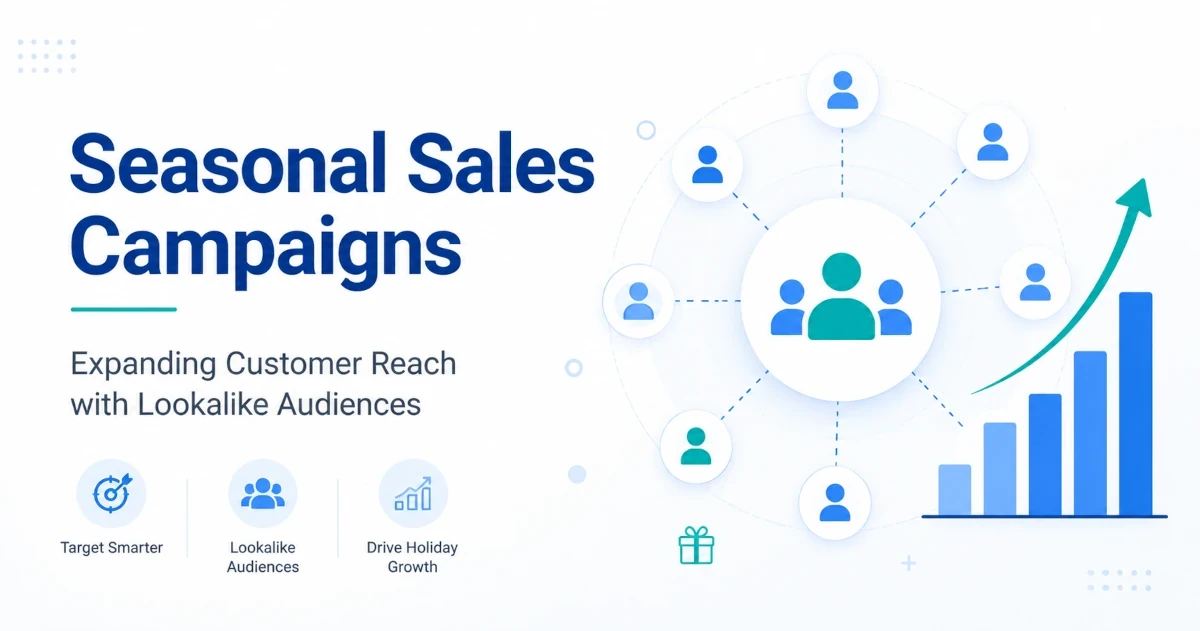
At the same time, businesses have a unique opportunity to reach high-intent customers who are actively searching for products and promotions. Success depends on identifying qualified audiences early, delivering relevant seasonal messaging, and optimizing campaign performance throughout the promotional period rather than relying solely on larger advertising budgets.
Campaign Planning Before Peak Demand
Strong execution begins several weeks before the promotional period starts. Planning focuses on aligning campaign objectives with historical buying patterns and expected seasonal demand.
Key planning activities include:
- Reviewing previous seasonal sales performance
- Identifying high-performing product categories
- Preparing holiday-specific offers
- Creating promotional landing pages
- Allocating advertising budgets across campaign stages
- Establishing measurement KPIs before launch
Rather than concentrating spending within a few days, campaigns are typically structured into awareness, consideration, conversion, and remarketing phases. This staged approach allows marketers to build audience familiarity before promotional offers become available.
Leveraging Lookalike Audiences for Customer Expansion
Building Qualified Prospecting Segments
A central component of the strategy involves Lookalike Audiences, which help identify potential customers who share characteristics with existing high-value buyers.
Instead of targeting broad interest groups alone, marketers generally begin with first-party customer data such as previous purchasers, newsletter subscribers, or loyal customers. These audiences become the foundation for prospecting campaigns designed to reach users with similar purchasing behaviors.
This approach supports several strategic objectives:
- Improve audience relevance
- Expand customer reach efficiently
- Reduce dependence on broad demographic targeting
- Increase the quality of incoming website traffic
As campaign performance develops, audience exclusions and segmentation are continuously refined to prevent overlap between acquisition and remarketing campaigns.
Executing Performance Advertising Across Channels
Coordinated Paid Media Strategy
Performance advertising performs best when multiple channels support the same seasonal objective.
Typical execution includes:
- Meta prospecting campaigns using Lookalike Audiences
- Google Search campaigns capturing high-intent shoppers
- Dynamic product advertisements for catalog promotion
- Remarketing campaigns targeting previous visitors
- Mobile-first ad placements during peak shopping periods
Consistency across creative assets, promotional messaging, and landing pages helps reduce friction during the customer journey. Limited-time offers and seasonal urgency reinforce purchase intent while maintaining a cohesive brand experience.
Strengthening Visibility with Local SEO
Although paid advertising generates immediate visibility, Local SEO can strengthen discovery throughout the holiday period, particularly for merchants operating physical locations or offering local pickup.
Supporting activities may include:
- Publishing seasonal landing pages
- Updating business information
- Optimizing holiday-related metadata
- Promoting local offers and store availability
- Improving search visibility for seasonal buying intent
Combining paid acquisition with organic visibility creates multiple opportunities for potential customers to discover the brand during competitive shopping periods.
Continuous Campaign Optimization
Holiday campaigns require frequent monitoring because customer behavior and advertising competition change rapidly.
Typical optimization activities include:
- Reviewing click-through and conversion trends
- Refreshing creative assets to reduce audience fatigue
- Adjusting campaign budgets toward stronger performers
- Refining audience targeting based on engagement
- Testing promotional messaging and calls to action
Continuous optimization allows marketers to respond quickly to changing demand while maintaining advertising efficiency throughout the campaign lifecycle.
Expected Growth Impact
Since Shopify has not publicly disclosed campaign-specific execution metrics for this strategy, the following outcomes represent illustrative industry expectations rather than verified Shopify results.
| Performance Area | Expected Business Impact* |
|---|---|
| Qualified Traffic | Improved visitor quality through audience matching |
| Customer Acquisition | Stronger ability to reach new high-intent shoppers |
| Advertising Efficiency | Better allocation of paid media budgets |
| Seasonal Visibility | Greater exposure during holiday shopping periods |
| Conversion Opportunities | Increased likelihood of purchases through relevant targeting |
| Brand Awareness | Enhanced recognition during peak demand seasons |
*These outcomes are illustrative and reflect industry best practices rather than verified Shopify campaign results. Actual performance varies depending on campaign execution, budget, competition, and market conditions.
Key Strategic Takeaways
Seasonal marketing success depends less on increasing advertising spend and more on improving execution quality across every stage of the campaign.
The combination of Seasonal Sales Campaigns, Lookalike Audiences, and supporting Local SEO creates a structured framework for attracting qualified customers during periods of elevated demand. By planning campaigns early, leveraging first-party customer insights, maintaining consistent seasonal messaging, and continuously optimizing performance, marketers can improve campaign effectiveness while building a stronger foundation for future promotional initiatives.
For commerce businesses, the greatest value lies in treating holiday campaigns as integrated growth programs rather than isolated advertising events. Coordinated execution across audience targeting, creative development, paid media, and organic visibility increases the likelihood of delivering sustainable marketing performance during the most competitive shopping periods.