Introduction: How Mobile Payment Solutions Are Reshaping Small Business Finance
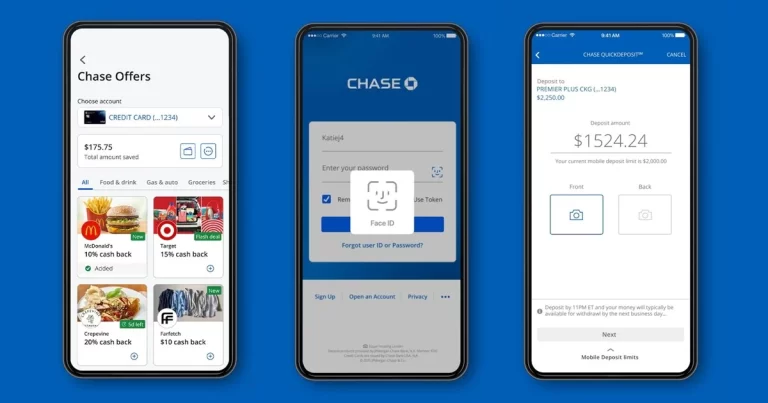
Small businesses face rising customer expectations and a growing need for financial clarity. As digital transactions become standard, Mobile Payment Solutions have become essential tools for managing payments and daily operations.
Previously, finances were handled through disconnected systems, making real-time insight into performance and cash flow difficult. Modern payment platforms addressed this gap by connecting transactions with financial data, enabling faster and more informed decisions.
Today, Mobile Payment Solutions extend beyond checkout to support operational efficiency and better Personal Finance visibility. Platforms like Square, operating within Block’s broader ecosystem, reflect this shift toward integrated, business-focused technology.
Company Background: The Story Behind Square
How Square Began
Square was founded in 2009 by Jack Dorsey and Jim McKelvey after McKelvey lost a sale because he couldn’t accept a credit card payment. This simple problem highlighted a larger gap in the market for small businesses that needed an easy way to accept digital payments.
Square’s first product, the small white card reader, removed many of the barriers that had prevented independent sellers from accepting card payments and marked the beginning of a more accessible payment ecosystem.
Growth Into a Broader Business Platform
As adoption grew, Square expanded well beyond its original card reader. Over the years, the company introduced a range of hardware and software products designed to support everyday business operations. Key milestones included the launch of Square Stand, Square Terminal, and Square Register, along with tools that enabled businesses to sell online and manage operations more efficiently.
In 2021, Square became part of Block, a parent company created to house multiple financial products. Despite the corporate rebrand, Square continues to operate as a dedicated brand focused on merchant and small business solutions.
Square’s Vision
Square is built on the idea of economic empowerment. As a core brand within Block, its mission remains unchanged: to provide simple, transparent, and accessible tools that help business owners operate efficiently and grow with confidence.
The Problem: Financial Blind Spots and Operational Roadblocks for Small Businesses
Why Traditional Systems Held Businesses Back
Before modern tools emerged, small businesses relied on outdated, disconnected systems that slowed down daily operations and made financial decision-making difficult. Payment processing, expense tracking, and reporting lived in separate places, leaving owners without a clear, real-time view of how their business was performing.
The Core Challenges Small Businesses Faced
Small businesses consistently ran into issues that limited their efficiency and financial clarity. These challenges often appeared together and reinforced one another, creating operational friction.
Key problems included:
| Challenge Area | Impact on Business |
|---|---|
| Limited financial visibility | Poor cash flow planning |
| Slow payment workflows | Longer checkout times |
| High system costs | Increased operational expenses |
| Disconnected tools | Manual errors and inefficiency |
These issues made it hard for owners to stay ahead of their operating needs or plan for growth. Without a unified system, managing finances became more reactive than strategic, affecting both business stability and the owner’s broader financial picture.
Goals and Requirements: What Small Businesses Needed to Move Forward
Clarifying What Owners Wanted From Better Tools
As small businesses evaluated their challenges, a clear pattern emerged. They needed technology that didn’t just process payments but also simplified daily operations and improved financial visibility. The shift toward Mobile Payment Solutions reflected a desire for tools that were easier to use, faster to deploy, and flexible enough to support both in-store and on-the-go transactions.
Core Goals That Guided the Search
Small businesses were looking for solutions that could help them operate more efficiently and make smarter financial decisions. Their primary goals included:
- Faster, more reliable payment acceptance
- Clear visibility into daily revenue, expenses, and cash flow
- Reduced manual work in invoicing, billing, and reconciliation
- Affordable tools with predictable pricing
- Simple setup that didn’t require technical expertise
Functional Requirements for a Modern Payment System
To support these goals, business owners outlined practical requirements that would allow them to run their operations more smoothly. These requirements reflected the need for flexibility, mobility, and better alignment with how customers prefer to pay.
| Business Goal | Required Capability |
|---|---|
| Faster checkout | Reliable Mobile Payment Solutions |
| Financial clarity | Centralized reporting |
| Lower admin effort | Automation and integrations |
| Easy adoption | Simple setup and usability |
These goals and requirements created the foundation for evaluating a modern system that could streamline operations and provide clearer financial insight.
The Solution: A Unified Platform Built by Square
Bringing Payments and Operations Into One System
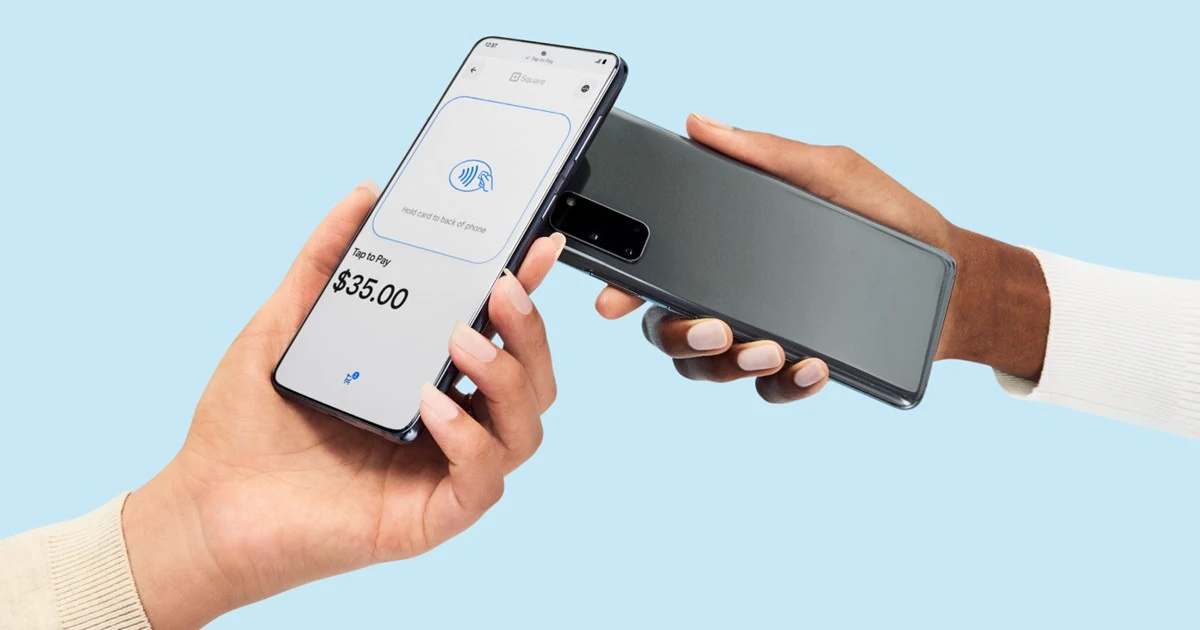
To address the challenges small businesses faced, Square introduced a unified platform designed to simplify how businesses accept payments and manage daily operations. Instead of relying on multiple disconnected tools, Square offered an integrated ecosystem where payment acceptance, transaction tracking, and operational oversight worked together seamlessly.
At the center of this approach was the idea that Mobile Payment Solutions should be flexible enough to meet businesses wherever they operate. Whether selling at a storefront, pop-up, or on the move, Square enabled owners to process payments quickly while keeping everything connected to a single system.
Payment Acceptance Made Simple and Flexible
Square’s solution focused on removing friction at checkout and making payment acceptance accessible without complex setup or costly infrastructure. Businesses could start accepting payments quickly using intuitive hardware and software that worked together out of the box.
| Capability | Description |
|---|---|
| Payment acceptance | Card, contactless, mobile wallets |
| Reporting | Real-time transaction insights |
| Invoicing | Automated billing and receipts |
| Scalability | Supports growth without platform changes |
This flexibility allowed businesses to adapt to customer preferences without changing their workflow.
Centralized Financial Visibility and Control
Beyond accepting payments, Square’s platform helped businesses gain clearer insight into their financial activity. Transactions, refunds, and daily sales data were automatically captured, reducing the need for manual tracking. This centralized view made it easier for owners to understand performance trends and align business decisions with their broader financial goals.
The system supported better oversight by offering:
- Real-time sales and transaction reporting
- Simplified invoicing and billing workflows
- Automatic recordkeeping that reduced errors
- Tools that supported day-to-day financial organization and Personal Finance awareness
Designed to Scale With the Business
Square’s solution was built to grow alongside its users. A freelancer could start with a simple setup and later expand to more advanced tools without switching platforms. This scalability reduced long-term friction and allowed businesses to focus on growth rather than technology changes.
By combining ease of use, flexibility, and financial clarity, Square delivered a solution that directly addressed the operational and financial challenges small businesses were trying to overcome.
Implementation: How Businesses Adopted Square With Minimal Disruption
Simple Onboarding and Quick Setup
Square designed its platform to be easy to adopt, even for business owners with limited technical experience. The onboarding process was straightforward, allowing businesses to start using Mobile Payment Solutions without long setup cycles or specialized support. Most users could activate their account, connect hardware, and begin accepting payments in a short time.
The setup process typically included:
- Creating a Square account
- Connecting payment hardware to a mobile device or tablet
- Configuring basic business settings such as taxes and receipts
Hardware Deployment and System Configuration
Once onboarded, businesses selected hardware based on their operating model. Square’s devices were designed to work seamlessly with its software, reducing compatibility issues and setup complexity.
Common implementation steps involved:
- Choosing portable or countertop hardware
- Installing the Square app on mobile devices
- Customizing checkout, tipping, and receipt preferences
This flexibility allowed businesses to tailor the system without disrupting daily operations.
Team Enablement and Training
Training was minimal due to Square’s intuitive interface. Most employees could learn the system quickly, which reduced downtime and onboarding costs. Clear workflows and familiar mobile-style navigation helped teams adapt faster.
Businesses focused training on:
- Processing transactions and handling refunds
- Managing daily sales summaries
- Understanding basic reports for end-of-day reconciliation
Integration With Existing Tools
For businesses already using accounting or operational software, Square offered integrations that simplified data flow. This reduced the need for duplicate data entry and helped keep financial records consistent.
Implementation often included:
- Syncing transaction data with accounting tools
- Connecting inventory or scheduling systems
- Aligning reports with broader financial tracking and Personal Finance planning
Overall, the implementation process emphasized speed, simplicity, and continuity. Businesses were able to adopt Square without pausing operations, making the transition both practical and cost-effective.
Results and Impact: Measurable Improvements Across Operations and Finance
Revenue Growth Reflects Platform Adoption
The impact of Square’s Mobile Payment Solutions is clearly visible in its long-term revenue performance. As more small businesses adopted mobile-first payment tools and relied on integrated financial systems, Square’s revenue showed consistent growth over the past five years. This upward trend reflects increased merchant adoption, higher transaction volumes, and deeper usage across Square’s ecosystem.
Rather than short-term spikes, the data highlights sustained growth, indicating that businesses continued to rely on the platform as a core operational tool.
Revenue Trendline (2019–2024)
The chart below visualizes Square’s annual revenue growth over the last six years, measured in US dollars.
The trendline highlights how Square scaled alongside small business demand:
- Rapid growth from 2019 to 2021 driven by accelerated digital adoption
- Temporary stabilization in 2022 as market conditions shifted
- Strong recovery and expansion in 2023 and 2024
- Increasing reliance on Mobile Payment Solutions across industries
This growth suggests that Square moved beyond being a transactional tool and became a long-term operational platform for businesses.
Operational and Financial Impact on Businesses
Beyond revenue growth at the company level, Square’s platform delivered measurable benefits for its users. Businesses experienced improvements across operations, finance, and decision-making.
Key outcomes included:
- Faster checkout and improved customer experience
- Reduced administrative workload through automation
- Better visibility into sales and expenses
- Stronger alignment between daily operations and Personal Finance planning
By combining ease of use with reliable performance, Square helped businesses operate more confidently and scale without adding complexity.
Competitive Landscape: How Square Compares in the Mobile Payments Market
A Crowded Market With Similar Promises
The market for Mobile Payment Solutions is highly competitive, with several platforms offering card acceptance, POS systems, and digital tools for small businesses. While many competitors focus on processing payments efficiently, fewer provide a tightly integrated ecosystem that supports daily operations at scale.
Square differentiates itself by combining payment acceptance with operational simplicity and financial visibility, rather than positioning itself as just a transaction processor.
Key Competitors in the Market
Square competes with a mix of legacy providers and digital-first platforms, each catering to slightly different business needs:
- PayPal Zettle focuses on global reach and online-first sellers
- Shopify POS is designed primarily for ecommerce-led businesses
- Clover offers POS hardware with bank-backed solutions
- Toast specializes in food and hospitality businesses
Each platform brings value, but they differ in flexibility, pricing transparency, and breadth of tools.
Comparison Table: Square vs Key Competitors
| Platform | Core Strength | Best For | Key Limitation |
|---|---|---|---|
| Square | All-in-one ecosystem | Small businesses, freelancers | Advanced features may require add-ons |
| PayPal Zettle | Global payments | Online-first sellers | Limited in-store flexibility |
| Shopify POS | Ecommerce integration | Retailers selling online | Less flexible for offline-only use |
| Clover | POS hardware | Traditional storefronts | Tied to specific payment processors |
| Toast | Industry specialization | Restaurants | Limited use outside hospitality |
Where Square Stands Out
Square’s competitive advantage comes from its balance between simplicity and scalability. Businesses can start small and expand their use of tools without migrating to a new system. This approach reduces friction as businesses grow and helps maintain consistency across operations.
Square stands out in the competitive landscape because it offers:
- Flexible Mobile Payment Solutions for in-person and remote sales
- Transparent pricing that appeals to small businesses
- Easy onboarding with minimal training requirements
- A unified system that supports operational and financial oversight
Strategic Positioning in the Market
Rather than competing solely on transaction fees or hardware, Square positions itself as a long-term partner for small businesses. Its focus on accessibility and ease of use allows it to attract a wide audience while still competing effectively against larger, more complex platforms.
In a market filled with specialized tools, Square’s broad yet intuitive offering continues to make it a strong choice for businesses looking for reliable Mobile Payment Solutions without unnecessary complexity.
Customer Story: How a Growing Retail Business Simplified Payments and Finance
The Business Context
A mid-sized retail store operating both a physical location and pop-up stalls was struggling to keep pace with customer demand. While sales were growing, internal systems had not evolved at the same speed. Payments were handled through a traditional POS setup, while sales reports and expense tracking were managed separately, often manually.
This disconnect made it difficult for the owner to understand daily performance and stay in control of finances, especially during high-traffic periods.
Before Adopting Square
Before switching platforms, the business faced several operational issues:
- Long checkout times during peak hours
- Limited flexibility to accept payments outside the main store
- Delayed access to sales data and reports
- Manual effort required to reconcile transactions and expenses
These challenges not only affected customer experience but also created uncertainty around cash flow and overall financial planning.
After Implementing Square
Once the business adopted Square’s Mobile Payment Solutions, day-to-day operations became significantly smoother. The team could accept payments quickly at the counter, during pop-up events, and even on the move. All transactions flowed into a single system, giving the owner immediate access to sales and performance data.
Key improvements included:
- Faster and more reliable checkout across all sales channels
- Real-time visibility into daily revenue
- Reduced time spent on administrative and reconciliation tasks
- Better alignment between business activity and Personal Finance decisions
The business was able to focus more on customers and growth rather than managing tools.
Challenges and Lessons Learned
Initial Adoption Challenges
Although Square was designed for simplicity, the transition was not entirely without friction. Like many technology changes, the initial setup required some adjustment, especially for staff used to legacy systems.
Common challenges included:
- Short learning curve for employees adapting to a new interface
- Time spent configuring settings such as taxes, receipts, and inventory
- Temporary reliance on support resources during early usage
These challenges were short-term and largely operational rather than technical.
Lessons Learned From the Transition
The implementation process offered valuable insights for the business. One key lesson was that investing time upfront in proper setup and basic training paid off quickly. Once workflows were established, daily operations became faster and more predictable.
Additional lessons included:
- Centralizing payments and reporting reduces long-term complexity
- Real-time data helps owners make more confident decisions
- Simple, flexible tools scale better than rigid systems
- Better financial visibility supports stronger Personal Finance management
By addressing early challenges and refining processes, the business was able to fully realize the benefits of Square’s platform without ongoing disruption.
Conclusion: Why Square Emerges as a Strong Choice for Modern Small Businesses
Bringing Payments and Financial Clarity Together
This case study highlights how Square has evolved from a simple payment tool into a comprehensive platform that supports the daily realities of running a small business. By addressing long-standing challenges around payment acceptance, operational efficiency, and financial visibility, Square’s Mobile Payment Solutions have helped businesses operate with greater confidence and control.
Rather than forcing owners to juggle multiple systems, Square brings core functions into a single environment. This unified approach reduces friction, improves accuracy, and enables faster decision-making. As a result, business owners gain clearer insight into performance while maintaining stronger alignment with their Personal Finance goals.
Long-Term Impact on Business Operations
The sustained revenue growth of Square, combined with strong adoption across industries, reflects more than market momentum. It signals trust from millions of businesses that rely on the platform for critical operations. From faster checkout experiences to simplified reporting, the impact is both measurable and practical.
Square’s ability to scale with businesses also plays a key role. Owners can start small, expand their use of tools over time, and avoid the disruption of switching platforms as their needs grow.
Key Takeaways
- Mobile Payment Solutions work best when they go beyond transactions and support daily operations.
- Square’s unified ecosystem reduces complexity by centralizing payments, reporting, and financial oversight.
- Real-time visibility into sales and expenses enables smarter, faster decision-making.
- Simple onboarding and intuitive tools lower adoption barriers for small teams.
- Better operational clarity strengthens business stability and supports healthier Personal Finance management for owners.
Overall, Square demonstrates how modern payment platforms can serve as long-term business enablers rather than standalone tools, helping small businesses stay competitive, informed, and prepared for growth.