Introduction: Duke Energy’s Journey Toward Renewable Energy
The global power sector is experiencing a fundamental shift as utilities move away from fossil fuel-based electricity generation toward cleaner and more sustainable energy sources. Driven by climate commitments, evolving regulations, technological advancements, and rising electricity demand, Renewable Energy has become a key pillar of modern energy strategies. However, increasing the share of renewable power also requires utilities to modernize aging infrastructure and build more intelligent electricity networks capable of managing variable energy sources.
One of the companies leading this transformation in the United States is Duke Energy, one of the country’s largest electric and natural gas utilities. Headquartered in Charlotte, North Carolina, the company serves millions of customers across the Southeast and Midwest through a diversified portfolio of electricity generation, transmission, distribution, and natural gas services. As the energy landscape evolves, Duke Energy is reshaping its business by reducing its reliance on fossil fuels while expanding investments in cleaner power generation and modern grid infrastructure.
Rather than treating clean energy and grid modernization as separate initiatives, Duke Energy has adopted an integrated approach that combines Renewable Energy development with Smart Grid technologies. The company’s strategy focuses on expanding renewable generation, strengthening transmission and distribution networks, deploying digital technologies, and improving the flexibility and resilience of the electric grid. This approach supports the reliable integration of renewable resources while preparing the electricity system to meet future demand.
Duke Energy at a Glance
| Attribute | Details |
|---|---|
| Headquarters | Charlotte, North Carolina, USA |
| Industry | Electric & Natural Gas Utilities |
| Service Areas | North Carolina, South Carolina, Florida, Indiana, Ohio and Kentucky |
| Business Operations | Electric generation, transmission, distribution and natural gas services |
| Focus Areas | Renewable Energy, Smart Grid, Grid Modernization and Sustainability |
What This Case Study Covers
This case study examines how Duke Energy is transitioning from fossil fuels to Renewable Energy through strategic investments in Smart Grid technologies and modern electricity infrastructure. It explores the drivers behind the company’s transformation, its renewable energy initiatives, grid modernization efforts, business outcomes, challenges, and the key lessons that other utilities can learn from one of the largest clean energy transitions in the U.S.
The Need for Transitioning to Renewable Energy
The electric utility industry is undergoing a structural transformation as traditional fossil fuel-based power systems give way to cleaner and more sustainable alternatives. Rising electricity demand, ambitious climate goals, and rapid advances in energy technologies have accelerated investments in Renewable Energy, prompting utilities to rethink how electricity is generated and delivered. At the same time, maintaining affordability and grid reliability has become increasingly important as renewable resources are integrated into the power system.
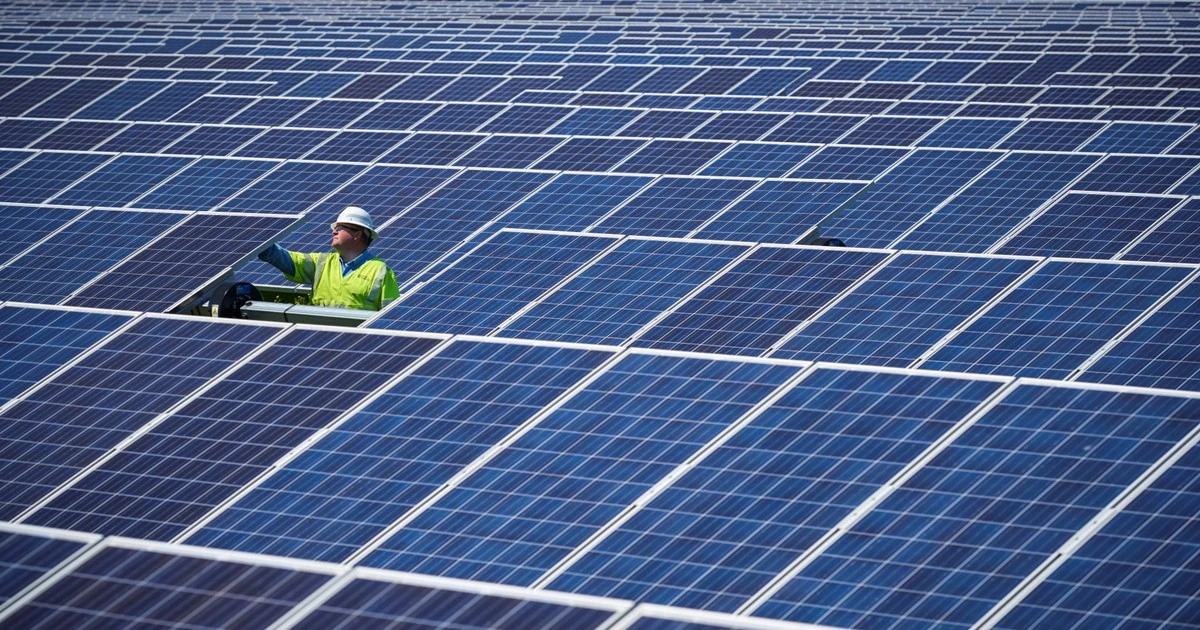
For utilities like Duke Energy, the transition is not simply about replacing one energy source with another. It involves modernizing infrastructure, adopting digital technologies, and creating a more flexible electricity network capable of supporting long-term economic growth while reducing carbon emissions.
Global Shift Toward Renewable Energy
Countries around the world are expanding renewable power generation to strengthen energy security, reduce greenhouse gas emissions, and meet net-zero commitments. Solar and wind power have become increasingly cost-competitive, while advancements in battery storage and digital technologies are making renewable energy integration more practical than ever before.
Utilities are responding by:
- Expanding solar and wind generation capacity.
- Investing in energy storage systems.
- Modernizing aging transmission and distribution networks.
- Deploying digital technologies for real-time grid management.
- Improving resilience against extreme weather events.
This industry-wide transformation is reshaping the role of electric utilities from centralized power producers to operators of increasingly interconnected and intelligent energy systems.
Why Traditional Utilities Must Evolve
For decades, electricity generation relied heavily on coal and natural gas because they provided dependable, dispatchable power. However, this model faces growing challenges as environmental expectations, regulatory policies, and customer preferences continue to evolve.
Key Challenges
| Challenge | Impact on Utilities |
|---|---|
| Dependence on fossil fuels | Higher carbon emissions and increasing regulatory pressure |
| Aging infrastructure | Rising maintenance costs and reduced operational efficiency |
| Growing electricity demand | Need for additional generation and transmission capacity |
| Renewable energy integration | Greater complexity in balancing electricity supply and demand |
| Severe weather events | Increased focus on grid resilience and reliability |
These challenges require utilities to adopt more flexible operating models that combine cleaner generation with advanced grid technologies.
Duke Energy’s Transition Imperative
Duke Energy has identified the clean energy transition as a core part of its long-term business strategy. The company has committed to achieving net-zero methane emissions from its natural gas business by 2030 and net-zero carbon emissions from electricity generation by 2050, supported by interim carbon reduction targets.
According to Duke Energy, the transition must balance three priorities:
- Deliver reliable electricity.
- Maintain affordable customer rates.
- Reduce environmental impact through cleaner energy investments.
This balanced approach recognizes that replacing fossil fuel generation requires more than building renewable power plants. It also demands significant investments in grid modernization, Distributed Energy Resources, Energy Storage Solutions, and digital technologies that enable reliable operation of an increasingly complex electricity network.
Preparing for the Next Phase of the Energy Transition
As renewable generation continues to expand, utilities must also address challenges such as intermittency, power quality, and grid flexibility. These issues are driving greater adoption of Smart Energy Systems, advanced monitoring, automation, and intelligent control technologies.
For Duke Energy, this means pairing Renewable Energy investments with modern infrastructure capable of supporting a cleaner and more resilient electricity system. The next section explores how the company is executing this strategy through large-scale investments in renewable generation and its long-term clean energy roadmap.
Duke Energy’s Renewable Energy Strategy
The transition to Renewable Energy requires more than replacing fossil fuel power plants with cleaner alternatives. It involves creating a balanced energy portfolio, investing in emerging technologies, and ensuring that the electricity grid can reliably accommodate increasing levels of renewable generation. Duke Energy has adopted a long-term strategy that combines renewable power expansion with investments in energy storage, nuclear energy, and modern grid infrastructure to support a cleaner and more resilient energy system.
The company’s approach focuses on maintaining reliable and affordable electricity while progressively reducing carbon emissions. Rather than relying on a single technology, Duke Energy is developing a diversified portfolio that includes solar, wind, hydroelectric power, battery storage, and existing carbon-free nuclear generation. This balanced strategy helps manage the variability of renewable resources while supporting long-term energy security.
A Long-Term Vision for a Cleaner Energy Future
Duke Energy has established ambitious climate goals that guide its investment decisions across generation, transmission, and distribution. The company aims to reduce carbon emissions through a phased transition that balances environmental objectives with customer affordability and grid reliability.
Key Long-Term Commitments
- Net-zero carbon emissions from electricity generation by 2050.
- Net-zero methane emissions from the natural gas business by 2030.
- Continued retirement of coal-fired generation.
- Expansion of utility-scale renewable generation.
- Increased deployment of battery energy storage.
- Modernization of transmission and distribution infrastructure.
- Investment in advanced technologies to support Renewable Energy Integration.
These commitments reflect Duke Energy’s strategy of transitioning steadily while ensuring customers continue to receive dependable electricity throughout the process.
Expanding Renewable Energy Investments
Duke Energy has significantly increased investments in renewable generation over the past several years. Solar power has become the primary area of expansion, supported by selective wind projects, hydroelectric assets, and growing investments in battery storage.
The company continues to develop utility-scale renewable projects across multiple states while also procuring renewable power through long-term agreements. This diversified approach helps meet growing electricity demand and supports state-level clean energy goals.
Major Investment Areas
| Renewable Energy Area | Strategic Purpose |
|---|---|
| Utility-scale solar | Increase carbon-free electricity generation |
| Wind energy | Diversify renewable generation portfolio |
| Hydroelectric power | Provide reliable renewable baseload generation |
| Battery energy storage | Improve grid flexibility and renewable integration |
| Renewable power purchase agreements | Expand clean energy supply while optimizing investment |
One example of this expansion is Florida, where Duke Energy announced the completion of nearly 750 MW of new solar generation and plans to add another 900 MW through additional solar sites between 2025 and 2027. The company also projects adding at least 450 MW of utility-scale solar each year over the following decade.
Transitioning Away from Fossil Fuels
Reducing dependence on fossil fuels remains an important component of Duke Energy’s clean energy strategy. The company is gradually retiring older coal-fired generating units while replacing them with a more diversified mix of renewable resources, energy storage, nuclear generation, and other dispatchable technologies that help maintain system reliability.
Instead of pursuing an abrupt transition, Duke Energy follows a phased approach that aligns infrastructure investments with customer demand, regulatory approvals, and evolving energy technologies. This strategy seeks to reduce emissions while minimizing operational risks associated with large-scale changes to the generation portfolio.
Strategic Priorities Supporting the Transition
- Retire aging coal-fired generation over time.
- Expand utility-scale solar generation across service territories.
- Increase battery storage capacity to support renewable resources.
- Continue leveraging existing carbon-free nuclear generation.
- Build a diversified energy portfolio that enhances long-term reliability.
Duke Energy’s Owned Electricity Generation Capacity by Plant Type (2024)
Duke Energy’s electricity generation portfolio illustrates the scale of its ongoing transition toward Renewable Energy. While fossil-fuel plants continue to account for the largest share of owned generating capacity, the company maintains a diversified portfolio that includes nuclear, hydroelectric, and renewable resources. Nuclear power remains an important source of carbon-free baseload electricity, while hydro and renewable assets support the company’s long-term decarbonization strategy. The relatively smaller renewable capacity also highlights why Duke Energy continues to invest heavily in utility-scale solar projects, battery storage, and Smart Grid technologies to expand clean energy generation over the coming years.
Building a Diversified Energy Portfolio
A successful clean energy transition depends on maintaining a balanced mix of generation resources. While Renewable Energy continues to expand, Duke Energy recognizes that complementary technologies are essential for maintaining reliable electricity supply during periods of high demand or reduced renewable output.
The company’s strategy therefore combines renewable resources with Energy Storage Solutions, nuclear generation, flexible dispatchable generation, and ongoing Grid Modernization initiatives. This integrated approach improves operational flexibility while preparing the electric system for future growth in distributed generation, electric vehicles, and large industrial electricity demand.
As Duke Energy moves forward with its clean energy roadmap, investments in renewable generation alone are not sufficient. Modernizing the electricity network through Smart Grid technologies is equally important for enabling reliable renewable integration, improving system resilience, and supporting the next generation of digital energy infrastructure. The following section examines how Duke Energy is investing in smart grid technologies to build a more intelligent and adaptable electric grid.
Smart Grid Investments and Grid Modernization
As utilities increase the share of Renewable Energy in their generation portfolios, modernizing the electricity network becomes just as important as building new renewable power plants. Unlike conventional power stations that can generate electricity on demand, solar and wind resources are weather dependent, making electricity flows more dynamic and decentralized. To manage this complexity while maintaining reliable service, Duke Energy has made Smart Grid technologies a cornerstone of its long-term investment strategy.
The company’s grid modernization initiatives are designed to improve system reliability, strengthen resilience against severe weather, support growing electricity demand, and enable the seamless integration of renewable resources. By combining digital technologies with infrastructure upgrades, Duke Energy is building a more intelligent and flexible electric grid capable of meeting future energy needs.
Why Smart Grid Is Essential for Renewable Energy
A traditional electricity grid was built around large, centralized power plants that supplied predictable electricity flows. Today’s energy landscape is far more complex, with utility-scale solar farms, distributed generation, battery storage systems, and electric vehicles all interacting with the grid.
A Smart Grid uses advanced communication, automation, and monitoring technologies to manage these changing power flows in real time. This enables utilities to improve operational efficiency while supporting greater Renewable Energy Integration.
Benefits of Smart Grid Modernization
| Smart Grid Capability | Business Benefit |
|---|---|
| Real-time grid monitoring | Faster detection of operational issues |
| Automated outage restoration | Reduced outage duration and improved reliability |
| Advanced Metering Infrastructure (AMI) | Better energy usage insights and accurate billing |
| Intelligent distribution systems | Improved integration of renewable generation |
| Predictive maintenance | Reduced equipment failures and maintenance costs |
| Digital communication networks | Faster system response and enhanced grid visibility |
Key Smart Grid Technologies Adopted by Duke Energy
Duke Energy’s modernization strategy combines physical infrastructure upgrades with advanced digital technologies that improve the performance of the electric network.
Advanced Metering Infrastructure (AMI)
The company continues deploying smart meters across its service territories to provide two-way communication between customers and the utility. These meters enable automated meter readings, quicker outage detection, remote service connections, and improved energy usage information for customers. They also provide valuable operational data that helps optimize grid performance.
Distribution Automation
Automated switches and intelligent distribution equipment can detect faults and reroute electricity with minimal human intervention. This technology reduces the number of customers affected by outages and speeds up restoration times, improving overall system reliability.
Self-Healing Grid Technologies
One of Duke Energy’s most significant modernization initiatives is the deployment of self-healing technology across its distribution network. These automated systems detect faults, isolate damaged sections of the grid, and restore power to unaffected customers within seconds whenever possible.
According to the company, grid improvement investments made during 2024 helped avoid more than 2.3 million customer outages and prevented over 11 million hours of outage time, demonstrating the operational value of intelligent grid technologies.
Digital Monitoring and Analytics
Duke Energy is also investing in digital monitoring platforms that provide operators with real-time visibility into grid conditions. Combined with data analytics and predictive maintenance tools, these systems help identify equipment issues before failures occur, reducing maintenance costs and improving asset performance.
Modernizing Grid Infrastructure
Grid modernization extends beyond digital technologies. Duke Energy is upgrading transmission lines, substations, communication networks, and distribution infrastructure to create a stronger and more resilient electricity system capable of supporting future demand.
Major Areas of Investment
- Transmission line upgrades to accommodate growing electricity demand.
- Modern substations equipped with digital monitoring and automation.
- Undergrounding and hardening of selected power lines in vulnerable locations.
- Expansion of communication networks supporting grid automation.
- Cybersecurity enhancements to protect critical energy infrastructure.
- Infrastructure improvements that facilitate Distributed Energy Resources and battery storage integration.
Supporting Renewable Energy Integration
Grid modernization is a critical enabler of Duke Energy’s clean energy strategy. As the company expands solar, wind, and battery storage projects, the grid must continuously balance electricity generation and demand while maintaining voltage stability and system reliability.
By investing in Smart Grid, Digital Grid Technologies, and Smart Energy Systems, Duke Energy is creating an electricity network that can accommodate increasing levels of Renewable Energy without compromising customer service. These technologies also provide the flexibility needed to support emerging trends such as electric vehicle charging, distributed generation, and growing industrial electricity demand.
Rather than viewing grid modernization as a standalone initiative, Duke Energy integrates it with its broader clean energy strategy, ensuring that infrastructure investments support both operational performance and long-term sustainability goals.
Key Outcomes of Grid Modernization
- Enhanced reliability through automated outage management.
- Greater flexibility for integrating renewable generation.
- Improved operational efficiency using real-time system intelligence.
- Better customer experience with faster restoration and improved energy insights.
- Increased resilience against extreme weather and physical disruptions.
- Stronger foundation for future Renewable Energy expansion and electrification.
The combination of cleaner generation and modern grid infrastructure illustrates how Duke Energy is transforming its electricity system. While renewable projects reduce emissions, Smart Grid investments ensure that this cleaner energy can be delivered reliably, efficiently, and securely. Together, these initiatives are positioning the company to meet future energy demand while supporting the broader transition to a low-carbon economy.
Business Impact of Renewable Energy and Smart Grid Investments
Duke Energy’s investments in Renewable Energy and Smart Grid technologies are delivering measurable benefits across its operations. While the transition to cleaner energy is a long-term process, the company has already reported improvements in grid reliability, operational efficiency, clean energy deployment, and financial performance. These outcomes demonstrate how renewable generation and grid modernization complement each other to create a more resilient and future-ready electricity system.
Strengthening Grid Reliability and Resilience
One of the most immediate benefits of Smart Grid investments is improved service reliability. Intelligent automation, self-healing technologies, and advanced monitoring systems enable Duke Energy to detect faults faster, isolate affected areas, and restore power more efficiently.
According to the company, grid improvement investments during 2024:
- Helped avoid more than 2.3 million customer outages.
- Prevented over 11 million outage hours for customers.
- Improved the utility’s ability to respond to severe weather and equipment failures.
These improvements not only enhance customer satisfaction but also reduce operational disruptions and restoration costs over time.
Accelerating Renewable Energy Deployment
Duke Energy continues to expand its clean energy portfolio as part of its long-term decarbonization strategy. The company is increasing investments in utility-scale solar, battery storage, and other clean energy resources while gradually reducing dependence on older fossil fuel generation.
Recent milestones include:
- Completion of approximately 750 MW of new solar generation in Florida.
- Plans to add another 900 MW of utility-scale solar projects in Florida between 2025 and 2027.
- Continued development of renewable generation across multiple regulated service territories.
These investments strengthen the company’s Renewable Energy portfolio while supporting state and federal clean energy objectives.
Improving Operational and Financial Performance
Infrastructure modernization is also contributing to Duke Energy’s long-term financial growth. Continued investment in regulated electric infrastructure, renewable projects, and Grid Modernization supports earnings growth while positioning the company to meet increasing electricity demand.
Financial Highlights
| Metric | 2023 | 2024 |
|---|---|---|
| Operating Revenue | $29.06 billion | $30.36 billion |
| Adjusted EPS | $5.56 | $5.90 |
| Five-Year Capital Plan | $73 billion* | $83 billion |
*Earlier announced plan before the 2025 update.
The expanded $83 billion capital plan reflects Duke Energy’s commitment to investing in cleaner generation, transmission expansion, distribution upgrades, and Smart Grid technologies that support long-term growth.
Creating Value for Customers
Beyond operational improvements, Duke Energy’s investments are designed to create long-term value for customers by delivering a more reliable and flexible electricity system.
Customer Benefits
- Improved service reliability through automated outage restoration.
- Greater ability to integrate Renewable Energy without compromising grid stability.
- Enhanced visibility into electricity usage through smart meter deployment.
- Increased resilience during extreme weather events.
- Infrastructure capable of supporting electric vehicles and future electrification.
These improvements contribute to a more efficient electric system while preparing the grid for changing customer needs and emerging technologies.
Building a Foundation for Future Growth
Electricity demand in the United States is expected to increase as industries electrify operations, data centers expand, and electric vehicle adoption accelerates. Duke Energy’s investments in Renewable Energy, Smart Grid, Energy Storage Solutions, and modern transmission infrastructure are intended to ensure that the company can meet this future demand while continuing to reduce emissions.
As President and CEO Lynn Good noted in the company’s 2024 Annual Report:
“We are executing on the largest regulated capital plan in our sector.”
This statement reflects Duke Energy’s strategy of combining infrastructure investment with clean energy expansion to build a more resilient, efficient, and sustainable electricity system.
The progress achieved so far highlights the tangible benefits of integrating Renewable Energy with Smart Grid modernization. However, the transition is still evolving and presents several technical, regulatory, and operational challenges. The next section examines these challenges along with the opportunities that will shape Duke Energy’s future energy transformation.
Business Impact of Renewable Energy and Smart Grid Investments
Duke Energy’s long-term investments in Renewable Energy and Smart Grid technologies are delivering measurable operational and financial benefits. While the company’s clean energy transition is still underway, strategic investments in renewable generation, modern grid infrastructure, and digital technologies have strengthened system reliability, supported sustainable growth, and enhanced customer service. These initiatives demonstrate how a balanced approach to clean energy and infrastructure modernization can create long-term value for both customers and shareholders.
Strengthening Grid Reliability Through Smart Grid Technologies
A key outcome of Duke Energy’s Smart Grid investments has been improved grid reliability and operational resilience. By deploying intelligent automation, advanced monitoring systems, and self-healing technologies, the company can identify faults more quickly, isolate affected sections of the network, and restore electricity with minimal disruption.
According to Duke Energy, its grid improvement initiatives delivered significant operational benefits during 2024:
- More than 2.3 million customer outages were avoided.
- Over 11 million customer outage hours were prevented.
- Faster outage detection and restoration improved service reliability.
- Modern grid technologies strengthened resilience against severe weather events.
These improvements not only reduce service interruptions but also enhance operational efficiency, helping Duke Energy deliver more reliable electricity while supporting the increasing integration of Renewable Energy across its service territories.
Accelerating Renewable Energy Deployment
Duke Energy continues to expand its Renewable Energy portfolio through investments in utility-scale solar projects, battery energy storage, and cleaner generation technologies. These investments support the company’s long-term decarbonization strategy while ensuring the electric grid can reliably meet growing customer demand.
Recent milestones include:
- Completion of approximately 750 MW of new solar generation in Florida.
- Plans to develop an additional 900 MW of utility-scale solar projects in Florida between 2025 and 2027.
- Continued expansion of renewable generation across regulated service territories.
Together with ongoing Grid Modernization initiatives, these projects are helping Duke Energy build a cleaner and more diversified energy portfolio.
Operating Revenue Reflects Long-Term Infrastructure Growth
Chart: Duke Energy Operating Revenue Trend (2020–2024)
Duke Energy’s operating revenue has shown a generally positive trend over the last five years despite fluctuations in the broader energy market. The steady increase reflects continued investment in regulated electric infrastructure, expanding customer demand, and ongoing modernization of the power network. Although revenue growth cannot be attributed solely to Renewable Energy or Smart Grid initiatives, these long-term investments support operational efficiency, grid reliability, and future capacity expansion, positioning Duke Energy for sustained growth as the energy transition continues.
Beyond operational improvements, Duke Energy has maintained steady financial growth through continued investment in regulated electric infrastructure. Expanding transmission networks, modernizing distribution systems, and investing in Renewable Energy projects have strengthened the company’s long-term growth strategy while supporting reliable electricity delivery. Although operating revenue is influenced by multiple business factors, the consistent upward trend reflects Duke Energy’s ability to execute large-scale infrastructure programs while adapting to the evolving energy landscape.
Creating Long-Term Value for Customers
The benefits of Duke Energy’s energy transition extend beyond cleaner electricity generation. Investments in Smart Grid technologies and modern infrastructure are creating a more flexible and customer-focused electric system capable of meeting future energy needs.
Key Customer Benefits
- Improved electricity reliability through automated outage restoration.
- Faster response and recovery during severe weather events.
- Better integration of Renewable Energy into the electric grid.
- Enhanced energy usage insights through smart metering technologies.
- Infrastructure capable of supporting electric vehicles and increasing electrification.
These improvements contribute to a more resilient electricity network while enhancing the overall customer experience.
Positioning for Future Growth
Electricity demand is expected to rise over the coming decades due to rapid electrification, industrial expansion, and the growth of energy-intensive sectors such as data centers. Duke Energy is positioning itself to meet this demand by investing in cleaner generation, Smart Grid technologies, transmission expansion, and Energy Storage Solutions.
By combining Renewable Energy investments with modern grid infrastructure, the company is creating a scalable foundation for future growth while balancing reliability, affordability, and sustainability. This integrated strategy not only supports Duke Energy’s long-term business objectives but also reinforces its role in advancing the broader clean energy transition across the United States.
Challenges and Future Opportunities
Duke Energy has made significant progress in expanding Renewable Energy and modernizing its electricity network through Smart Grid investments. However, the transition to a cleaner and more intelligent power system is a long-term undertaking that involves technical, financial, regulatory, and operational challenges. At the same time, advancements in digital technologies and clean energy solutions present new opportunities to strengthen grid resilience, improve operational efficiency, and support future electricity demand.
Challenges in the Energy Transition
As renewable generation becomes a larger part of the electricity mix, utilities must ensure that the grid remains reliable, affordable, and secure. Unlike conventional power plants, renewable resources such as solar and wind depend on weather conditions, requiring more sophisticated planning and grid management.
Key Challenges Facing Duke Energy
| Challenge | Business Impact |
|---|---|
| Renewable energy intermittency | Requires flexible generation, storage, and grid balancing |
| Aging transmission and distribution infrastructure | Increases maintenance costs and modernization requirements |
| Rising electricity demand | Requires significant investment in new generation and grid capacity |
| Regulatory and permitting processes | Can extend project development timelines |
| Cybersecurity threats | Greater digitalization increases the need for stronger cyber resilience |
| Capital-intensive infrastructure projects | Requires long-term investment while maintaining affordable customer rates |
Balancing these challenges while maintaining reliable service remains one of the most important priorities for Duke Energy as it continues its clean energy transition.
Emerging Opportunities
Despite these challenges, the evolving energy landscape offers numerous opportunities to accelerate the adoption of Renewable Energy and improve grid performance. Duke Energy’s continued investments in digital infrastructure and cleaner technologies position the company to capitalize on these long-term trends.
Opportunities Driving Future Growth
- Expansion of utility-scale solar and battery energy storage.
- Increased adoption of Distributed Energy Resources (DERs).
- Greater use of artificial intelligence and predictive analytics for grid operations.
- Growth in electric vehicle charging infrastructure.
- Continued deployment of Advanced Metering Infrastructure (AMI).
- Stronger integration of Smart Energy Systems across the electricity network.
- Modernization of transmission infrastructure to support increasing renewable generation.
These opportunities will help create a more flexible electricity system capable of adapting to changing customer needs and future energy technologies.
Preparing for Rising Electricity Demand
Electricity demand in the United States is expected to grow as transportation, manufacturing, and commercial sectors continue to electrify. At the same time, the rapid expansion of data centers and advanced manufacturing facilities is creating additional demand for reliable power.
To address these trends, Duke Energy’s long-term planning focuses on:
- Expanding Renewable Energy capacity while maintaining grid reliability.
- Strengthening transmission and distribution infrastructure.
- Investing in battery storage to improve grid flexibility.
- Leveraging Smart Grid technologies for real-time system optimization.
- Building a resilient electricity network capable of supporting future economic growth.
This integrated approach allows the company to prepare for increasing electricity demand while continuing to reduce carbon emissions.
Looking Ahead
The future of the electric utility industry will depend on the ability to balance sustainability, affordability, and reliability. Duke Energy’s strategy reflects this balance by combining investments in Renewable Energy, Smart Grid, Energy Storage Solutions, and digital infrastructure rather than relying on a single technology or energy source.
Although challenges such as infrastructure modernization, cybersecurity, and renewable integration will continue to evolve, the company’s long-term investment strategy provides a strong foundation for adapting to future market conditions. As clean energy technologies mature and electricity demand continues to rise, Duke Energy is well positioned to play a leading role in building a more resilient, intelligent, and sustainable power system.
Conclusion and Key Takeaways
Duke Energy’s transition from fossil fuels to Renewable Energy demonstrates that building a cleaner electricity system requires more than simply adding solar and wind capacity. The company’s strategy combines renewable generation with Smart Grid technologies, grid modernization, digital innovation, and long-term infrastructure investments to create a more reliable and resilient power network. This integrated approach provides valuable insights for utilities, policymakers, and energy companies pursuing similar energy transition goals.
Key Lessons from Duke Energy’s Energy Transition
- Renewable Energy and grid modernization must progress together. Expanding clean energy generation without upgrading transmission and distribution infrastructure can limit the effective integration of renewable resources.
- Smart Grid technologies enhance reliability and operational efficiency. Investments in automation, advanced metering, self-healing systems, and real-time monitoring help utilities reduce outages, improve system visibility, and optimize electricity delivery.
- A diversified generation portfolio supports a balanced transition. Combining renewable resources with nuclear power, hydroelectric generation, battery storage, and flexible generation assets improves grid stability while reducing dependence on fossil fuels.
- Long-term investment planning is essential. Large-scale infrastructure projects require sustained capital investment and strategic planning to support growing electricity demand, regulatory compliance, and decarbonization objectives.
- Digital transformation enables smarter grid operations. Technologies such as artificial intelligence, predictive analytics, and advanced data management improve asset performance, maintenance planning, and renewable energy integration.
- Customer value remains central to the transition. Grid modernization not only supports cleaner electricity but also delivers faster outage restoration, improved reliability, and a more resilient energy system for homes and businesses.
Broader Industry Implications
Duke Energy’s experience illustrates that the transition to Renewable Energy is a comprehensive transformation involving generation assets, grid infrastructure, digital technologies, and long-term operational planning. As electricity demand continues to grow and energy systems become increasingly decentralized, utilities that invest in Smart Grid capabilities alongside clean energy resources will be better positioned to deliver reliable, affordable, and sustainable electricity.
The company’s approach demonstrates that environmental goals and business performance can advance together when supported by strategic investments, modern infrastructure, and a long-term vision for the future of energy.