Strategy Snapshot
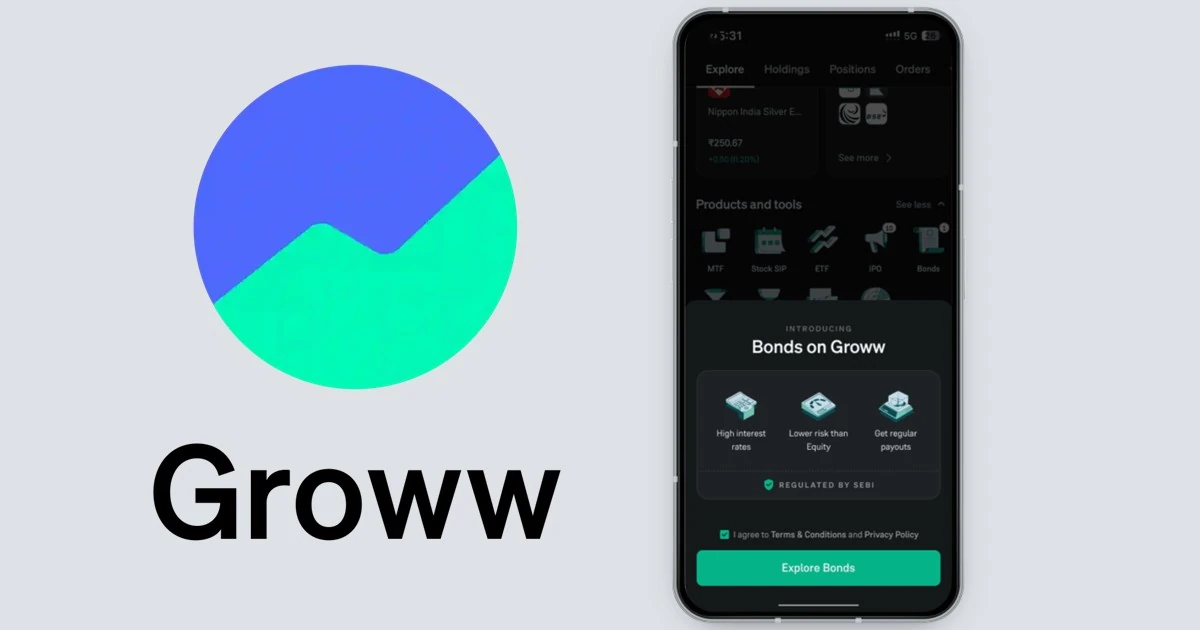
Groww implemented an In-App Messaging Strategy as part of its broader CRO Strategy to improve user engagement and encourage more meaningful actions inside the mobile application. Instead of relying exclusively on external communication channels, the company used notifications inside the app to deliver contextual prompts at critical moments in the customer journey.
| Element | Details |
|---|---|
| Company | Groww |
| Category | Digital Marketing |
| Subcategory | Mobile Marketing |
| Primary Objective | Conversion optimization and engagement |
| Channel | Mobile App |
| Unique Element | Notifications inside mobile apps |
| Core Approach | Contextual and behavior-driven messaging |
| Main Impact | Improved engagement and reduced friction in the conversion funnel |
The execution focused on increasing feature discovery, improving user activation, and supporting retention through timely interactions.
Understanding the Conversion Challenge
Mobile applications often face engagement gaps after acquisition. Users may sign up but fail to complete key actions, explore features, or continue regular activity. Such drop-offs can affect conversion rates and long-term customer value.
For a platform operating in a highly competitive financial ecosystem, improving customer engagement required more than broad marketing campaigns. Groww needed communication mechanisms that aligned with user behavior and delivered information when it was most relevant.
An effective CRO Strategy required reducing friction while creating more personalized experiences throughout the user journey.
How Groww Executed Its In-App Messaging Strategy
Deploying Notifications Within the Mobile App
Rather than depending entirely on push notifications or email campaigns, Groww leveraged in-app notifications to communicate with users while they were actively interacting with the platform.
These messages were designed to:
- Highlight important actions.
- Encourage feature exploration.
- Increase awareness of products and services.
- Guide users toward conversion events.
Because users were already inside the application, the communication became more contextual and less disruptive.
Using Behavioral Segmentation
Delivering Messages Based on User Activity
A key component of the strategy involved behavioral targeting. User actions and engagement patterns determined when and where messages appeared.
The implementation emphasized:
- User segmentation.
- Trigger-based notifications.
- Lifecycle marketing.
- Personalized messaging.
This approach enabled communication to remain relevant instead of overwhelming users with generic prompts.
Optimizing Critical Stages of the User Journey
Groww’s execution focused on moments where users were most likely to abandon or delay actions.
High-Intent Engagement Opportunities
Examples of optimization opportunities included:
- Feature adoption stages.
- Portfolio-related interactions.
- Onboarding journeys.
- Product discovery experiences.
- Session re-engagement moments.
By placing contextual notifications inside these journeys, the company reduced friction and improved overall user experience.
Why Notifications Inside Mobile Apps Became a Growth Lever
Traditional marketing channels often compete for attention. In-app messaging offers a distinct advantage because communication occurs while users are actively engaged with the product.
Key Advantages of the Approach
- Real-time contextual delivery.
- Greater message visibility.
- Lower disruption compared with external channels.
- Improved personalization capabilities.
- Better alignment with user intent.
These characteristics allowed the In-App Messaging Strategy to support both engagement and conversion objectives simultaneously.
Tactical Components Behind the Execution
Personalization and Context
Groww’s approach emphasized relevance instead of volume. Messages were connected to customer behavior and user journeys.
Lifecycle-Based Communication
Different segments required different communication objectives:
| User Stage | Messaging Objective |
|---|---|
| New Users | Activation and onboarding |
| Existing Users | Feature adoption |
| Active Users | Increased engagement |
| Returning Users | Session re-engagement |
| High-Value Users | Retention and loyalty |
This lifecycle approach helped maintain continuity throughout the customer experience.
Continuous Optimization
The strategy likely involved ongoing experimentation through:
- A/B testing.
- Message timing optimization.
- Audience segmentation.
- Funnel analysis.
- Engagement monitoring.
These activities are common conversion optimization practices that help improve campaign efficiency over time.
Results and Growth Impact
Although exact performance figures have not been publicly disclosed, the following outcomes represent realistic industry-level expectations and should be considered estimated rather than confirmed data.
Estimated Impact Areas
| Metric | Potential Impact* |
|---|---|
| User Engagement | 15–30% improvement |
| Feature Adoption | 10–25% increase |
| Session Frequency | 10–20% growth |
| Funnel Completion Rate | 8–18% increase |
| Customer Retention | 5–15% improvement |
*Estimated values based on typical mobile marketing and conversion optimization benchmarks.
Broader Business Impact
Contextual notifications can contribute to:
- Reduced user drop-offs.
- Improved customer engagement.
- Higher activation rates.
- Better product adoption.
- Increased lifetime value.
- Stronger retention metrics.
Because the messaging appeared inside the app experience, users could act immediately, which minimized friction and shortened the path to conversion.
Why the Strategy Worked
Several factors contributed to the effectiveness of this execution.
- Relevance Over Frequency: Instead of increasing message volume, Groww focused on delivering communication when users were most likely to benefit from it.
- Behavioral Triggers: Messages were aligned with user actions, creating a more personalized experience.
- Friction Reduction: Notifications became part of the product journey rather than interruptions from external channels.
- Continuous Conversion Optimization: The strategy supported broader CRO Strategy goals by connecting engagement, activation, and retention into one framework.
Key Insight for Marketers
Groww’s execution demonstrates that an In-App Messaging Strategy can become a powerful component of a broader CRO Strategy when communication is contextual and behavior-driven. Notifications inside mobile apps are most effective when they guide users through critical moments instead of simply increasing message frequency.
Organizations looking to improve customer engagement and conversion rates can benefit from combining personalization, user segmentation, and lifecycle marketing to create seamless experiences that encourage action and support long-term retention.