Introduction: How PlayStation Network Redefined Game Distribution
Sony’s PlayStation brand has long been a dominant force in the world of gaming but the launch of PlayStation Network (PSN) marked a pivotal shift not just for Sony, but for the industry as a whole. What began as a way to offer online multiplayer services soon evolved into a powerful platform at the heart of the digital gaming ecosystem.
With the rapid rise of digital game distribution, players began to expect more than just physical discs and cartridges. They wanted instant access to titles, cloud-based storage, online communities, and seamless updates. Sony saw this shift coming and with PSN, they were ready to lead the charge.
PSN became more than just a companion to the console. It turned into a gateway where users could:
- Download full games and DLCs directly to their consoles
- Access exclusive titles and early releases
- Subscribe to monthly game bundles through services like PlayStation Plus
- Connect with friends and communities across the globe
As of today, the PlayStation Network isn’t just a digital storefront, it’s a major revenue stream, a user engagement hub, and a blueprint for how digital game distribution can redefine the business model for console makers.
Background: The Evolution of Game Distribution
Before high-speed internet and digital storefronts became the norm, video games were a strictly physical business. Players visited retail stores, bought game discs or cartridges, and installed them manually on their consoles or PCs. It was a process rooted in tangible media and for a long time, it worked.
But the 2000s ushered in a quiet revolution.
From Shelves to Servers
The shift from physical to digital game distribution didn’t happen overnight. It followed a path carved by improvements in technology, changes in consumer behavior, and the need for greater convenience.
Here’s what triggered the transformation:
- Faster internet connections: Broadband penetration enabled larger game files to be downloaded quickly.
- Rising storage capabilities: Consoles and PCs started shipping with larger internal storage, making it easier to install and store digital titles.
- Shift in consumer expectations: Gamers wanted immediate access; waiting in lines for midnight releases was no longer appealing.
- Environmental and cost concerns: Digital games eliminated the need for packaging, shipping, and in-store logistics.
By the mid-2000s, platforms like Steam (for PC) and Xbox Live Arcade (for Xbox 360) had already demonstrated that gamers were ready to embrace digital downloads. Sony, observing these trends, recognized a critical opportunity: to reimagine the PlayStation experience around digital access.
Game Distribution Models – Then vs. Now
| Feature | Physical Distribution | Digital Distribution |
|---|---|---|
| Delivery Method | In-store purchase/disc | Online download via platform |
| Availability | Limited by region/store | Global and 24/7 availability |
| Cost Structure | Manufacturing & shipping | Platform fees and bandwidth |
| Storage | External physical media | Internal console/PC storage |
| Time to Play | After installation from disc | Immediate (post-download) |
| Update Process | Via new disc or patches | Automatic and real-time |
Sony’s move toward PlayStation Network came at the perfect moment. The infrastructure was ready, the user demand was growing, and competitors had already validated the concept.
The Launch and Growth of PlayStation Network

When Sony launched the PlayStation Network (PSN) in November 2006 alongside the PlayStation 3, it wasn’t just introducing an online service, it was planting the foundation for a digital-first future. At the time, most console gaming still revolved around physical discs, local multiplayer, and offline gameplay. But Sony had a different vision.
A Strategic Digital Move
Unlike its predecessor, the PlayStation 2, the PS3 came with built-in internet connectivity. This opened the door for Sony to offer more than just multiplayer capabilities. With PSN, the company rolled out:
- A digital storefront for buying and downloading full games, demos, and add-ons
- Online multiplayer matchmaking and friend management
- Access to exclusive downloadable content (DLC)
- A digital wallet system for easy in-platform purchases
PSN was free to access at launch, giving it an edge over Microsoft’s Xbox Live, which required a subscription for online play. This helped Sony build a broad user base quickly, especially among cost-conscious gamers.
Scaling with Every Console Generation
The real acceleration came with the launch of the PlayStation 4 in 2013. By this time, digital game distribution had become a mainstream expectation. PSN evolved rapidly to meet demand:
- Improved download speeds and cloud saving
- A redesigned PlayStation Store with better UI and search
- The launch of PlayStation Plus, offering monthly games, discounts, and online multiplayer access
- PlayStation Now, a subscription service for game streaming and digital rentals
By 2020, with the release of the PlayStation 5, digital sales had overtaken physical game sales for the first time in Sony’s history. The PS5 even launched with a Digital Edition, a console without a disc drive, designed entirely for PSN-based gaming.
Growth in Numbers
Sony’s digital strategy through PSN has paid off in both user engagement and revenue. Here’s a quick snapshot of how the platform has grown:
Source: Sony Interactive Entertainment
The hardware shipment chart illustrates the shifting dynamics of PlayStation console generations over two decades. The PlayStation 2 enjoyed a commanding start with over 20 million units in 2004, while the PSP’s rise followed closely, peaking in the late 2000s. PS3 steadily gained ground during a competitive era, followed by the PS4, which became a long-term performer through the 2010s. The PS5 shows strong momentum post-2020 despite global supply constraints, underscoring the continued dominance of Sony’s gaming ecosystem.
The Role of Digital Game Distribution in PSN
At the heart of PlayStation Network’s evolution lies its transformation into a full-scale digital game distribution platform. Cumulatively, PlayStation 4 and PlayStation 5 titles have sold over 1.468 billion units as of Q3 2025, showcasing the unmatched depth and demand for Sony’s game library. What began as a simple way to access downloadable content has now become Sony’s primary method for delivering games, updates, and services to millions of players globally.
From Add-ons to Full Games
In the early PSN days, digital content mostly meant downloadable add-ons (DLCs), game demos, and a few indie titles. But as technology improved and user demand increased, PSN expanded to support:
- Full-game downloads available on release day
- Early access and pre-load features for preorders
- Regular discounts on AAA and indie titles
- Bundled collections and Game of the Year editions
This made it possible for players to access the latest games instantly without needing to visit a store or wait for shipping.
Empowering Developers and Publishers
PSN’s role as a distribution channel isn’t limited to consumers, it’s also a valuable platform for game developers. Sony created infrastructure and monetization tools that allowed studios of all sizes to publish directly to players.
Key advantages for publishers:
- Lower distribution costs compared to physical formats
- Global reach without retail logistics
- Real-time performance tracking and user feedback
- Flexible pricing and bundling options
Indie developers, in particular, benefitted from the platform’s openness, gaining visibility through features like “PlayStation Indies” and curated store sections.
Subscription Services: A New Layer of Access
Sony further deepened its digital strategy by launching subscription models tied directly to PSN:
- PlayStation Plus: Monthly games, cloud saves, and exclusive discounts
- PlayStation Now (now merged into PlayStation Plus tiers): Cloud streaming and download access to hundreds of games
These services added recurring revenue streams for Sony while giving players affordable ways to access large game libraries.
Reducing Friction, Increasing Access
Sony also optimized the user experience to make digital game distribution feel effortless:
- Automatic downloads and background installations
- Cross-platform purchases accessible across consoles and mobile
- Smart delivery systems that pre-load games before official release
All these improvements made PSN not just a distribution platform but a digital hub where discovery, purchase, and play happen in one seamless flow.
PSN didn’t just adopt digital distribution, it helped shape what modern console-based digital gaming looks like. As user habits continue to shift away from physical media, this role is only set to grow.
User Experience and Platform Capabilities
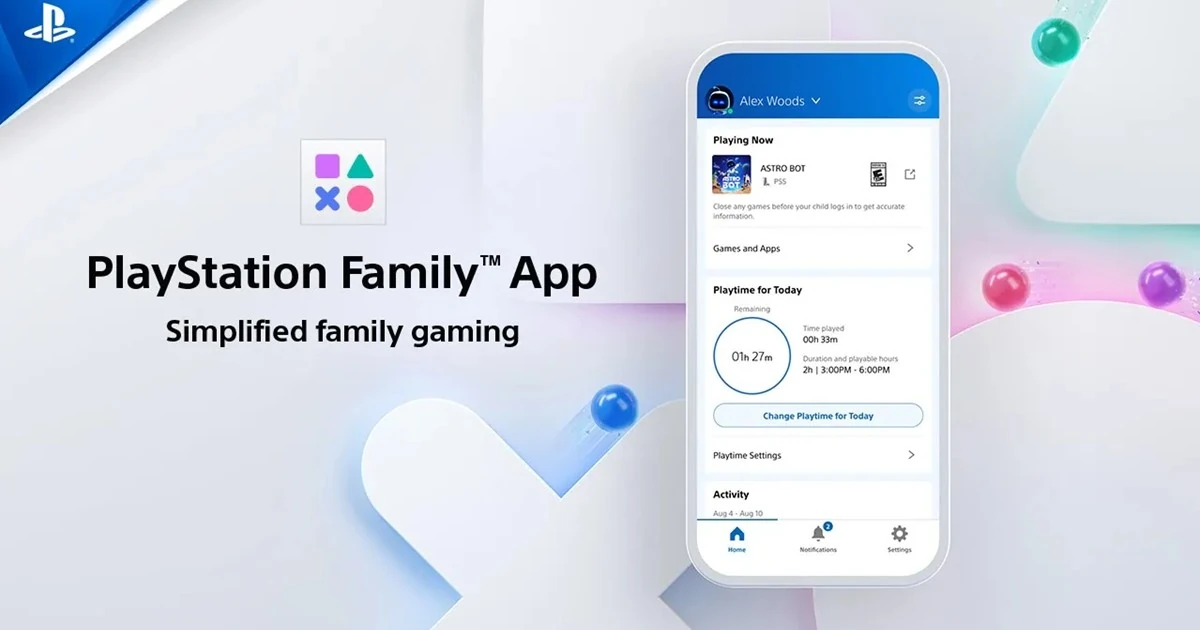
A big reason the PlayStation Network has become such a dominant force in digital game distribution is its user-centric design. As of September 30, 2025, PlayStation boasts 119 million monthly active users worldwide, a clear indicator of its continued dominance in global gaming engagement. By the end of FY2024, PlayStation users had logged over 51 billion hours of gameplay annually, underscoring record-breaking engagement levels across its network. Sony didn’t just build a store, it built a full ecosystem that makes discovering, buying, and playing games feel effortless.
Designed for Seamless Gaming
Sony prioritized speed, simplicity, and personalization across every interaction. Whether a user is logging in on their console, mobile app, or web browser, PSN delivers a consistent experience with features like:
- Fast, intuitive storefront navigation with filters for genres, ratings, and discounts
- Wishlists and personalized game recommendations
- Instant checkout with saved payment methods or PSN wallet funds
- One-click downloads that begin automatically on connected consoles
This simplicity helps remove friction between discovery and play, especially for casual gamers who may be less tech-savvy.
Cloud Integration and Account Portability
The power of PSN lies in how it connects users across devices and generations. With a single PSN account, players can:
- Save game progress to the cloud and resume across consoles
- Re-download purchased games anytime without extra cost
- Sync friends lists, trophies, and game libraries
- Use remote download features via mobile app or web
This portability has become even more valuable with the rise of cross-play and multi-platform support.
Enhancements That Add Value
PSN continually adds features that improve engagement without complicating the user experience:
- Share Play: Let friends remotely join or take over a game session
- Game Help (PS5): Built-in tips and walkthroughs without leaving the game
- Activity Cards: Track in-game progress and jump directly into objectives
These additions enhance gameplay, especially on the PS5, where UI elements are deeply integrated with PSN.
Built for All Levels of Gamers
Whether you’re new to gaming or a long-time PlayStation loyalist, PSN adapts to your needs. Here’s how:
| User Type | Key Benefits on PSN |
|---|---|
| Casual Players | Easy navigation, automatic updates, quick game resume |
| Hardcore Gamers | Competitive multiplayer, digital preorders, trophy tracking |
| Parents/Families | Family accounts, spending limits, privacy and content controls |
This user-centric approach ensures that PlayStation Network remains inclusive, intuitive, and scalable, no matter who’s picking up the controller.
Performance and Revenue Impact
As PlayStation Network matured, it didn’t just enhance the gaming experience, it became a major revenue engine for Sony. The platform now plays a central role in the company’s bottom line, helping shift its gaming business from a product-driven model to a service-oriented one.
Digital Takes the Lead
The most notable transformation has been the steady rise of digital game distribution as the dominant sales channel. For the PlayStation brand, this shift was both strategic and necessary, allowing Sony to:
- Reduce costs related to physical production and logistics
- Launch global releases simultaneously
- Monetize games over longer periods through updates, DLCs, and in-game purchases
According to Sony’s financial disclosures, digital game sales surpassed physical sales for the first time in FY2020 and have continued to widen the gap each year.
Revenue Breakdown Snapshot
PlayStation 5 has reached a global sell-in milestone of 84.1 million units as of Q3 2025, making it one of Sony’s fastest-growing consoles to date. With lifetime sales surpassing $136 billion and $13 billion in operating income, the PlayStation 5 generation stands as the most profitable era in Sony’s gaming history. Here’s a simplified view of how PlayStation Network contributes to Sony’s gaming revenue over recent years:
Sony’s Game & Network Services (G&NS) segment has witnessed remarkable growth over the last two decades, evolving from a ¥955 billion business in 2002 to a record-breaking ¥4,267.7 billion in 2023. This growth reflects more than just console success, it’s the result of a strategic pivot toward digital services, subscription models like PlayStation Plus, and blockbuster game titles. While early years were defined by hardware dominance, the recent surge highlights Sony’s ability to monetize its gaming ecosystem across software, online services, and recurring revenue. With FY 2024 projections crossing ¥4.6 trillion, the PlayStation brand continues to push the boundaries of what a gaming platform can achieve.
Services Driving Profits
Beyond direct game sales, PSN generates recurring revenue through:
- PlayStation Plus subscriptions (monthly/annual)
- In-game microtransactions and currency packs
- Digital preorders and early-access content
- Cross-platform services and cloud gaming
This shift to digital has also made Sony’s revenue more predictable and scalable, reducing its dependency on blockbuster launch cycles.
Strategic Advantage
By controlling the full digital pipeline from discovery to download, Sony not only improves margins but also gains valuable user insights. These data-driven insights influence:
- Game development priorities
- Personalized marketing campaigns
- Pricing strategies and promotional timing
PlayStation Network is no longer just a digital add-on; it’s a critical financial engine that supports Sony’s position as a global gaming leader.
Challenges and Controversies
Despite its success, PlayStation Network has faced notable challenges that tested Sony’s resilience and user trust.
The 2011 Security Breach
The most serious incident occurred in 2011, when a major hack exposed the personal data of over 77 million users, forcing a 23-day outage. It led to:
- Full suspension of online services
- Government investigations and lawsuits
- Damage to Sony’s reputation
Sony responded with a “Welcome Back” program and major security upgrades.
Persistent User Concerns
Even today, users voice concerns about:
- Slow download speeds compared to competitors
- High digital pricing even for older titles
- Strict refund policies, especially for accidental purchases
These friction points affect the overall user experience.
Digital Ownership and Market Pressure
As digital game distribution grows, so do worries about:
- Losing access to purchased games due to DRM or licensing changes
- Lack of resale or transfer options for digital titles
Additionally, PSN faces competition from platforms like Xbox Game Pass and Steam, which offer more flexibility and user-friendly policies.
While still a leader in digital distribution, PSN must continue improving on transparency, value, and platform agility to maintain its edge.
Comparison with Competitors
In the race to dominate digital game distribution, PlayStation Network holds its ground but not without strong competition. Gaming platforms like Xbox Live, Game Pass, Steam, and Nintendo eShop have each carved out their niche, offering distinct advantages and user experiences.
How PSN Stacks Up
Let’s take a quick look at how PSN compares across key performance areas:
| Feature | PlayStation Network (PSN) | Xbox (Live/Game Pass) | Steam (PC) | Nintendo eShop |
|---|---|---|---|---|
| Platform Reach | PS5, PS4, web, mobile | Xbox Series X/S, Xbox One, PC, cloud | PC (Windows, Linux, macOS) | Switch only |
| Subscription Services | PlayStation Plus (3 tiers) | Xbox Game Pass Core/Ultimate | None (but offers frequent discounts) | Nintendo Switch Online |
| Game Library Access | Monthly games, discounts, cloud gaming | Large day-one releases + EA Play included | Massive library, early access games | Limited first-party + indie content |
| Refund Policy | Strict, limited | Flexible (esp. for Game Pass titles) | Very user-friendly | Minimal |
| Digital Pricing | Often higher than physical | Competitive + frequent sales | Regular deep discounts | Moderate, fewer discounts |
| Cross-Platform Play | Selective support | Strong focus | Widely adopted | Limited |
PSN Strengths
- Console-native integration: Deeply embedded in the PlayStation UI
- Robust first-party library: Exclusive titles like The Last of Us and Spider-Man drive subscriptions
- Global reach: One of the largest user bases in gaming
Areas Where Others Lead
- Game Pass’s aggressive value: Day-one releases and cloud gaming attract a broader audience
- Steam’s pricing and flexibility: Regular sales and a strong indie ecosystem offer unmatched choice
- Refund and ownership policies: PSN still lags behind in user control and purchase flexibility
The Bigger Picture
While PSN remains a powerhouse, especially among console gamers, it’s clear that digital competition isn’t just about game availability, it’s about user empowerment, pricing transparency, and cross-platform convenience. Sony’s continued success with PSN will depend on how quickly it adapts to the evolving expectations set by its rivals.
Future Outlook
The future of PlayStation Network is tightly linked to the ongoing shift toward full digital game distribution. With the rise of cloud gaming, cross-platform ecosystems, and AI-driven personalization, Sony is expected to double down on digital innovation.
Key focus areas include:
- Cloud-native experiences: Expanding PSN’s role in streaming and remote play
- More flexible subscriptions: Competing with Game Pass by refining PlayStation Plus tiers
- Deeper personalization: Using player data to recommend games, offers, and events
- Mobile and cross-device integration: Bringing PSN to more platforms beyond the console
As physical media continues to decline, PSN is positioned not just to support Sony’s gaming business but to lead its next era.
Conclusion and Key Takeaways
The rise of PlayStation Network has been one of Sony’s most defining moves in the digital era of gaming. What started as a support layer for multiplayer and downloads has evolved into a full-scale digital game distribution powerhouse driving revenue, deepening player engagement, and reshaping the entire console experience.
Today, PSN stands not just as a service, but as a strategic cornerstone in Sony’s long-term gaming vision. It delivers value across the board from indie creators to AAA publishers, casual players to competitive gamers. And as digital continues to outpace physical, its importance will only grow.
Key Takeaways
- PlayStation Network was crucial in Sony’s shift from physical to digital distribution
- It now generates a significant portion of Sony’s gaming revenue, especially through subscriptions and digital sales
- User-friendly features like cloud saves, auto-downloads, and account portability make PSN a seamless experience
- While it faces challenges in pricing, refunds, and competition, PSN remains one of the most influential platforms in gaming
- Its future lies in deeper cloud integration, smarter personalization, and broader cross-device access
In a gaming world that’s increasingly digital-first, PSN isn’t just keeping up, it’s helping define what comes next.