Introduction
Diabetes affects over 500 million people worldwide, making it one of the most pressing chronic health challenges today. Managing the condition goes far beyond medication—it’s about timing, tracking, and interpreting a steady stream of data.
That’s where connected diabetes devices are changing the game. These tools bring real-time data and decision support into patients’ daily routines, making diabetes care more proactive and personalized.
Eli Lilly, a longtime leader in diabetes care, is driving this transformation. With the launch of its Tempo platform, which includes smart insulin pens and a connected app, Lilly is merging pharmaceutical expertise with cutting-edge technology. This case study explores how the company’s approach is redefining insulin therapy—and empowering patients to manage their health with greater confidence and ease.
Company Overview
Eli Lilly and Company is a global healthcare leader with over 145 years of innovation in pharmaceuticals. Best known for its legacy in diabetes care, Lilly has developed some of the most widely used treatments, including Humalog® and Trulicity®. The company combines scientific rigor with a patient-first mindset, making it a trusted name across the healthcare ecosystem.
In recent years, Lilly has expanded its focus to include digital health and connected diabetes devices, recognizing the need for more integrated, real-time solutions. The launch of the Tempo platform marks a significant step in this evolution, blending the company’s pharmaceutical expertise with user-friendly technology designed to support modern diabetes management.
The Challenge
Managing diabetes is a daily balancing act—and for many, a frustrating one. Between calculating insulin doses, tracking meals, monitoring glucose levels, and adjusting for exercise or stress, the routine can be overwhelming. Despite medical advancements, many patients still rely on manual logs, inconsistent data, or fragmented tools that don’t “talk” to each other.
Fragmented Tools, Fragmented Lives
Traditional diabetes management often involves a mix of insulin pens, glucose meters, paper diaries, and occasional doctor visits. This siloed approach creates multiple challenges:
- Dose tracking is error-prone, especially for those with busy lifestyles or memory issues.
- Glucose trends are hard to spot when data lives in different places.
- Real-time decision support is lacking, leaving patients unsure how to adjust treatment on the fly.
For healthcare providers, this disjointed ecosystem means they often see only a partial view of a patient’s behavior, making it hard to personalize care plans. Meanwhile, patients feel frustrated, unsupported, and sometimes discouraged.
The Solution – Eli Lilly’s Connected Diabetes Devices
Rethinking Routine: A Smarter, Simpler System
To address the complexity and fragmentation of traditional diabetes care, Eli Lilly introduced a connected solution designed around the patient’s real-world experience. The centerpiece? The Tempo platform—a thoughtfully designed ecosystem that includes the TempoPen, Tempo Smart Button, and a companion mobile app.
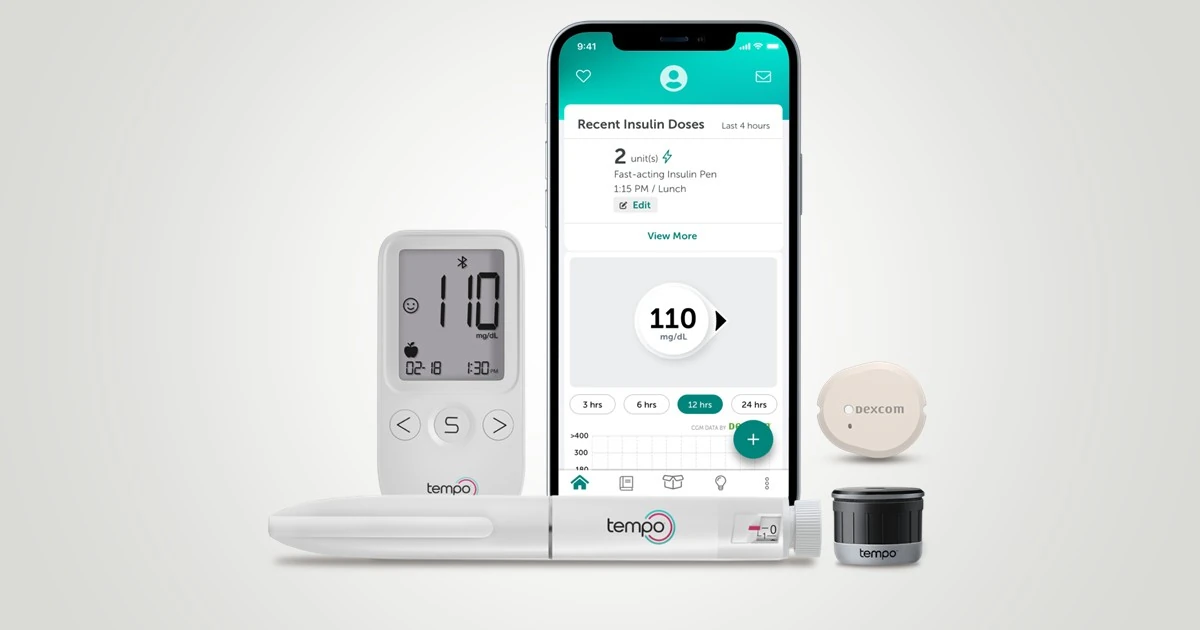
Instead of forcing patients to juggle devices and guesswork, Lilly’s approach simplifies the process by creating a seamless, data-rich environment. Each component plays a vital role, working together to transform insulin dosing from a chore into a guided experience.
Inside the Tempo Platform
Let’s break down the components that make up Lilly’s connected diabetes devices:
- TempoPen: A prefilled, disposable insulin pen compatible with Humalog® and Basaglar®. It works like a traditional insulin pen but is designed to integrate with digital components.
- Tempo Smart Button: A small Bluetooth-enabled device that attaches to the TempoPen. It automatically records insulin doses—date, time, and units—and transmits that data to the mobile app.
- Tempo App: The brains of the platform. It consolidates data from insulin doses and glucose monitoring devices, offering actionable insights, reminders, and trend analysis.
These tools don’t require major behavior changes—they’re built to slide into patients’ existing routines while making everything easier, smarter, and more transparent.
Seamless Integration with Glucose Monitoring Devices
A standout strength of the Tempo system is its compatibility with leading glucose monitoring devices (CGMs and BGMs). This ensures that glucose readings and insulin data are available in one place, enabling better trend detection and personalized feedback.
Key Benefits of Integration:
- Single dashboard to review both insulin doses and glucose levels
- Easier pattern recognition for high and low blood sugar episodes
- Data-sharing options for clinicians and caregivers
By pairing insulin data with glucose monitoring devices, the platform turns raw numbers into real-time, usable insights.
Designed for Real Life
What sets this platform apart is how seamlessly it fits into daily life. Unlike full-scale insulin pump systems—which can feel invasive or overly technical—Lilly’s approach offers a low-friction solution for patients who prefer pens but want digital support.
Here’s a quick comparison of traditional vs. Tempo-enhanced care:
| Feature | Traditional Pens | Tempo System |
|---|---|---|
| Dose Tracking | Manual | Automatic via Smart Button |
| Glucose Integration | Separate tools | Unified with app |
| Real-Time Alerts | None | App-based reminders and feedback |
| Data Sharing with Clinicians | Manual entry | One-click digital reports |
| Patient Insights | Minimal | Personalized trends and patterns |
More Than a Device – It’s a Shift in Mindset
Ultimately, Eli Lilly’s connected diabetes devices aren’t just about technology. They’re about helping people with diabetes feel more confident, informed, and in control of their health. It’s a shift from reactive care to proactive, personalized support—without complicating the routine.
Glucose Monitoring Devices Integration
The Power of Connection: Glucose and Insulin in Sync
One of the most transformative aspects of Eli Lilly’s Tempo platform is its seamless integration with leading glucose monitoring devices. This connectivity bridges the historical gap between insulin delivery and blood glucose tracking—two pillars of diabetes care that traditionally operated in silos.
By syncing real-time glucose data with insulin dosing information, patients and healthcare providers get a clearer, more complete picture of what’s really going on. And in the world of diabetes, better visibility often leads to better decisions.
Why Integration Matters
In diabetes care, timing is everything. Missing patterns or reacting too late can have serious consequences. Here’s how integrating connected diabetes devices with glucose monitoring tools changes the game:
- Instant Data Feedback: As soon as a dose is recorded via the Tempo Smart Button, the app can immediately compare it with current or recent glucose levels.
- Better Pattern Recognition: Users can see how specific insulin doses affect their blood sugar at different times of day or after different meals.
- Fewer Surprises: Catching trends early (like frequent post-meal spikes or overnight lows) allows for quicker intervention.
- Stronger Clinician Support: Providers get richer data to base treatment adjustments on—no more guesswork or relying on patient memory.
Compatible Glucose Monitoring Devices
The Tempo platform is designed to work with a variety of widely used CGMs and BGMs, creating a flexible, device-agnostic solution. Some of the commonly compatible tools include:
- Dexcom G6/G7 (Continuous Glucose Monitors)
- Abbott FreeStyle Libre series
- OneTouch Verio and other Bluetooth-enabled glucose meters
By ensuring cross-device compatibility, Eli Lilly gives users the freedom to choose their preferred glucose monitoring devices without sacrificing the benefits of integration.
Here’s a visual comparison of life with vs. without integration:
| Metric | Without Integration | With Integration via Tempo |
|---|---|---|
| Insulin & Glucose Data | Viewed separately | Unified view in one app |
| Trend Detection | Manual & inconsistent | Automated with clear graphs |
| Provider Communication | Based on memory | Based on synced, accurate data |
| Time Spent Managing Data | High | Significantly reduced |
For clinicians, the data offers more than numbers—it provides context. That’s a powerful shift toward personalized, evidence-based diabetes management.
Key Features of Eli Lilly’s Innovation
Built Around the Patient, Powered by Smart Tech
Eli Lilly’s Tempo platform isn’t just a set of devices—it’s a patient-first system thoughtfully designed to remove friction from diabetes management. Every feature serves a purpose: simplify routines, reduce manual work, and help users make more informed decisions.
By combining connected diabetes devices with intelligent software, Lilly has created a solution that doesn’t just capture data—it turns it into daily, usable insight.
Designed for Simplicity, Not Complexity
Despite its advanced features, the Tempo platform is intentionally simple. There’s no steep learning curve, no complicated setup, and no need to switch to insulin pumps or invasive tech. That ease of use is critical, especially for older adults or those new to digital tools.
User-Friendly Benefits:
- No batteries to charge on the Smart Button
- Compatible with familiar insulin products like Humalog® and Basaglar®
- Lightweight and discreet, with no visible tech footprint
Smart Meets Scalable
One of Lilly’s biggest innovations is in scalability. The system works for:
- Patients new to insulin therapy
- Long-time users looking for more control
- Healthcare providers seeking better patient engagement
Because it builds on existing routines, adoption is smooth—and the learning curve minimal.
More Than a Gadget—It’s a Daily Companion
Ultimately, the features of Eli Lilly’s connected diabetes devices aren’t about adding more tech. They’re about subtracting confusion, stress, and guesswork from daily life. From morning routines to nighttime checks, the Tempo platform acts like a quiet assistant—always working in the background, always ready with insight.
Competitive Landscape
A Rapidly Evolving Market
The diabetes care industry is undergoing a major shift—from manual tools to intelligent ecosystems powered by data and connectivity. At the heart of this transformation are connected diabetes devices and glucose monitoring technologies, which together form the backbone of modern, tech-driven management solutions.
Eli Lilly has stepped into this space with a bold, pharma-meets-digital strategy. But they’re not alone. Several major players dominate the connected device landscape, each with its own approach to integration, innovation, and patient care.
Key Competitors in Connected Diabetes Devices
Here’s a look at the most prominent companies competing in this space:
| Company | Primary Focus | Key Products | Strengths |
|---|---|---|---|
| Dexcom | Continuous Glucose Monitoring (CGM) | Dexcom G6, G7 | High accuracy, FDA-approved for insulin use |
| Abbott | Wearable CGM Systems | FreeStyle Libre Series | Affordable sensors, growing global reach |
| Medtronic | Integrated Insulin Pump + CGM Systems | MiniMed™, Guardian Connect | Closed-loop systems, strong hospital ties |
| Insulet | Tubeless Insulin Pump Systems | Omnipod DASH®, Omnipod 5 | Discreet design, good for active users |
These companies focus primarily on device ecosystems—often requiring patients to adopt specific hardware and platforms.
Unique Differentiators
Here’s what gives Eli Lilly a competitive edge in the connected care space:
- Pharmaceutical Legacy: Deep trust built over decades in diabetes treatment
- Tempo Ecosystem: Designed to blend seamlessly into daily routines, not overhaul them
- Open Platform Model: Works with multiple CGM/BGM brands, increasing flexibility
- Focus on Patient Simplicity: Minimal setup, no charging, and intuitive user interface
Results & Impact
Overall & Diabetes Segment Revenue (2019–2023)
Between 2019 and 2023, Eli Lilly’s overall revenue climbed from $22.3 billion to $34.1 billion, while diabetes segment revenue surged from $9.6 billion to $29.5 billion. This remarkable growth—especially in diabetes—demonstrates Lilly’s deepening dominance in the category, underscoring the commercial potential for connected diabetes devices like Tempo in a high-growth therapeutic area.
Real Results, Not Just Hype
Since launching its Tempo platform, Eli Lilly has moved beyond the promise of innovation and into the reality of improved outcomes. By turning traditional insulin pens into connected diabetes devices, the company has helped thousands of patients achieve better glycemic control, reduce daily stress, and strengthen their engagement with healthcare providers.
- Clinical and Behavioral Improvements: While large-scale outcome studies are still emerging, early data and user feedback point to several clear benefits:
- Improved Adherence: Patients using the Tempo system showed higher consistency in insulin dosing, thanks to smart reminders and automated logging.
- Better Glycemic Control: With real-time feedback and trend visibility (especially when paired with glucose monitoring devices), users were more likely to spot patterns and adjust behaviors before problems escalated.
- Enhanced Clinical Conversations: With clear, structured data reports available through the app, healthcare providers were better equipped to make personalized treatment recommendations.
- Increased Patient Confidence: Knowing that doses were tracked and insights were just a tap away made users feel more in control and less anxious about managing their condition.
Patient-Centric Metrics That Matter
Here’s a simplified snapshot of key outcomes reported in real-world settings:
| Metric | Before Tempo Platform | After Tempo Adoption |
|---|---|---|
| Missed Insulin Doses | Frequent | Significantly reduced |
| Patient-Reported Anxiety Level | High | Lower due to improved tracking |
| Time Spent Logging Data | 10–15 minutes/day | Near zero |
| Provider Access to Full Data | Inconsistent/manual | Automated, always accessible |
Real Voices, Real Impact
“I used to forget whether I’d taken my insulin or not. Now, I get a gentle reminder and can double-check everything in the app. It gives me peace of mind.” — Tempo user, age 45
“For the first time, I can see how my insulin and blood sugar interact. It makes my appointments so much more productive.”
— Type 2 diabetes patient using CGM + TempoPen
Conclusion
In the world of diabetes care, the best innovations are the ones that quietly make life easier. Eli Lilly’s Tempo platform is doing just that—offering a smarter, more connected approach to insulin delivery without overcomplicating the user experience. By transforming traditional insulin pens into intelligent, data-driven tools, Lilly is giving patients and providers new clarity, control, and confidence in managing diabetes.
More than just a set of devices, the Tempo ecosystem reflects a meaningful shift in how chronic conditions are treated: not just with medicine, but with technology that listens, learns, and supports real-life decision-making.
As the diabetes market continues to grow, and patient expectations evolve, Eli Lilly is well-positioned—not only as a pharmaceutical leader but as a digital health innovator with the scale to drive real-world impact.
Key Takeaways
- Connected diabetes devices like the Tempo Smart Button and TempoPen offer real-time insulin tracking, reminders, and insights—all without disrupting routine.
- Integration with leading glucose monitoring devices enhances personalization and improves glycemic control through a unified digital dashboard.
- Eli Lilly’s solution stands out for its simplicity, ease of adoption, and flexibility compared to closed-loop or pump-based systems.
- Early results show strong gains in patient adherence, reduced anxiety, and improved provider collaboration.